Weather conditions can make or break a concrete floor coating project.
Factors like temperature, humidity, and moisture exposure significantly impact the installation process, curing time, and long-term durability of the coating. Understanding how different weather elements affect concrete coatings ensures a successful, long-lasting application.
[caption id="attachment_8164" align="aligncenter"...
Read More
Choosing the right concrete coating is more than just a design decision—it’s an investment in durability, functionality, and long-term value. With so many options available, selecting the best coating requires careful evaluation of several factors, including environmental conditions, maintenance expectations, and budget considerations.
Understanding Project Requirements...
Read More
Timing is everything when it comes to concrete coating projects. Whether you’re a contractor managing large-scale jobs or a builder ensuring durable and visually appealing flooring, knowing how long the process takes is essential. From preparation to curing, each step can impact your schedule and...
Read More
Let’s face it—your coated concrete floor is the unsung hero of your garage, shop, or workspace. It takes a beating every day, but when it comes to cleaning, we often treat it like fine china. Why? Because one wrong move and you can strip the...
Read More
A well-coated concrete patio boosts property value and withstands wear.
Exposure to weather, foot traffic, and wear can deteriorate concrete surfaces over time.
The best options include polyaspartic coatings for long-lasting protection, epoxy for a smooth finish, stamped overlays for a decorative touch, and acrylic sealers for...
Read More
Concrete coating peeling usually happens due to poor surface preparation, hidden moisture in the slab, or using the wrong primer. When coatings fail to bond properly, they can lift in sheets, bubble, or flake, costing time, money, and credibility on the job.
Concrete floor coatings are...
Read More
Under standard conditions, polyaspartic floor coatings can be returned to light foot traffic in 2–4 hours and cured for vehicle traffic within 72 hours and a full cure in two weeks.
Time is one of the most valuable assets on any jobsite. Every hour a floor...
Read More
Adding acetone to the polyurea basecoat is not a good idea. While this might seem like a quick and easy solution, it can actually do more harm than good.
Some installers attempt to use acetone to thin polyurea or extend working time, this shortcut can weaken...
Read More
Preventing carbon monoxide poisoning in concrete workspaces is critical for ensuring safety and saving lives. Carbon monoxide (CO) is an invisible, odorless gas that can quickly become deadly in poorly ventilated spaces.
At Allsource Supply Inc., we’re committed to helping contractors and concrete professionals create not...
Read More
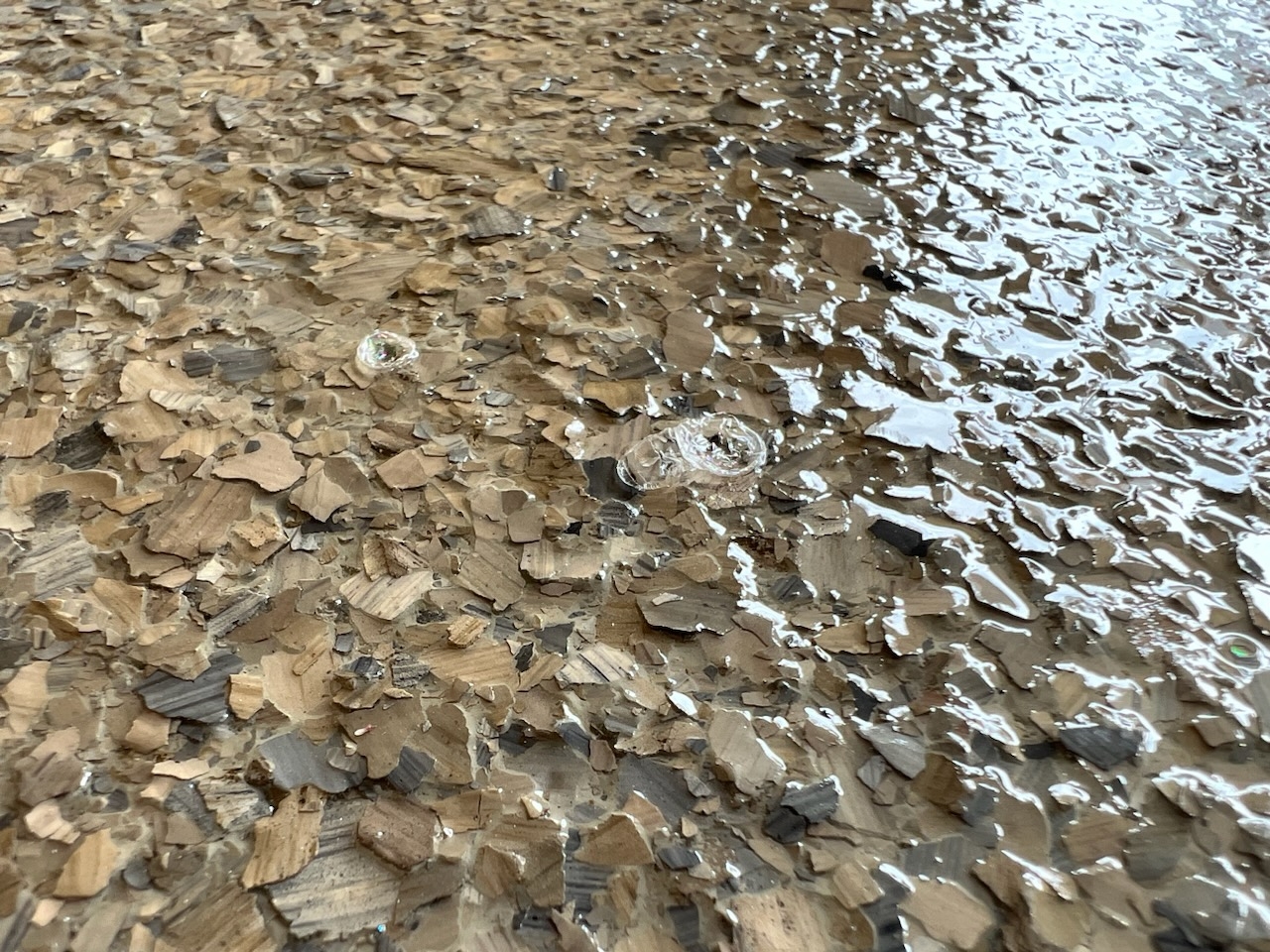
The best method for preventing bubbles in polyaspartic topcoats is to seal the concrete with a moisture-tolerant basecoat and apply the topcoat using proper mixing and rolling techniques. Controlling substrate conditions, mixing ratios, and environmental factors also plays a crucial role in ensuring a bubble-free...
Read More