
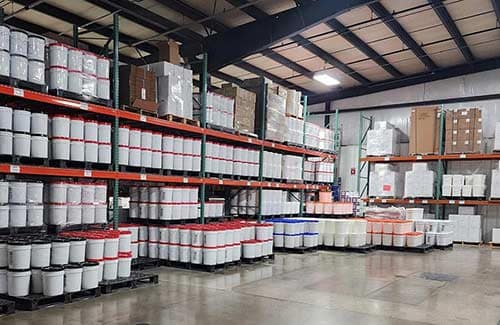

Hardbond 3000 vs. Hardbond 4000: Which Polyaspartic Coating Is Right for Your Project?
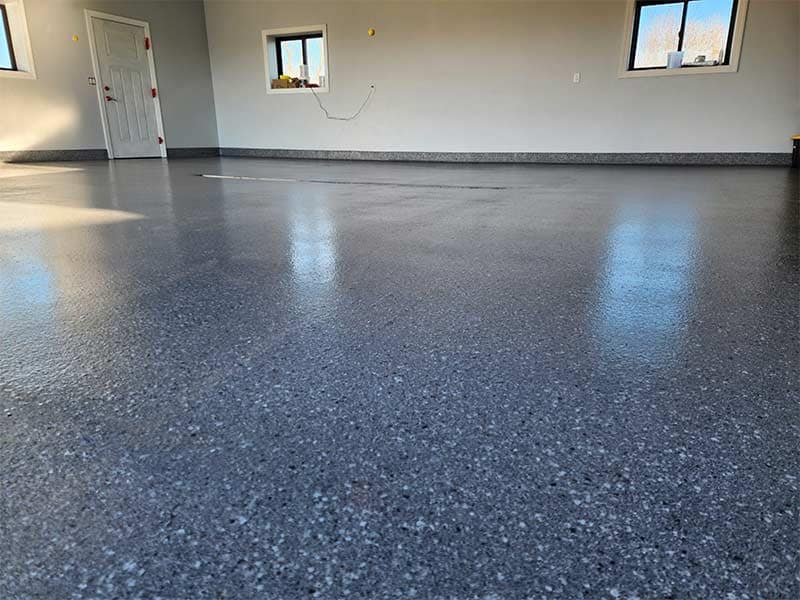
Contractors often compare Hardbond 3000 and Hardbond 4000 Polyaspartic when choosing a professional concrete flooring product. The right choice depends on the project, installation conditions, expected traffic, chemical exposure, and the type of flooring system being installed. Both products are polyaspartic coatings, but their specifications and intended uses can differ. Understanding those differences can help […]
How to Choose the Right Concrete Floor Coating for Your Commercial Space?
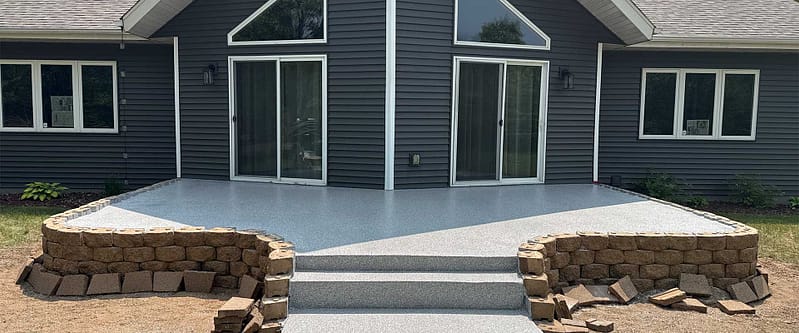
Commercial concrete floors deal with a lot every day. Heavy foot traffic, equipment, vehicles, spills, chemicals, moisture, and constant cleaning can all contribute to wear and damage. That is why choosing a commercial concrete floor coating should be based on more than color or appearance. The right system needs to match how the space is […]
Concrete Floor Coating for Automotive Shops: What Contractors Need to Know
Automotive shops put concrete floors through demanding conditions. Vehicle traffic, oil, chemicals, dropped tools, moisture, abrasion, and frequent cleaning can quickly wear down an unprotected concrete surface. For contractors working on automotive repair shops, service bays, dealerships, and similar facilities, choosing the right concrete floor coating system is about more than appearance. The flooring system […]
Concrete Coating Equipment: What Contractors Need for a Professional Floor Installation

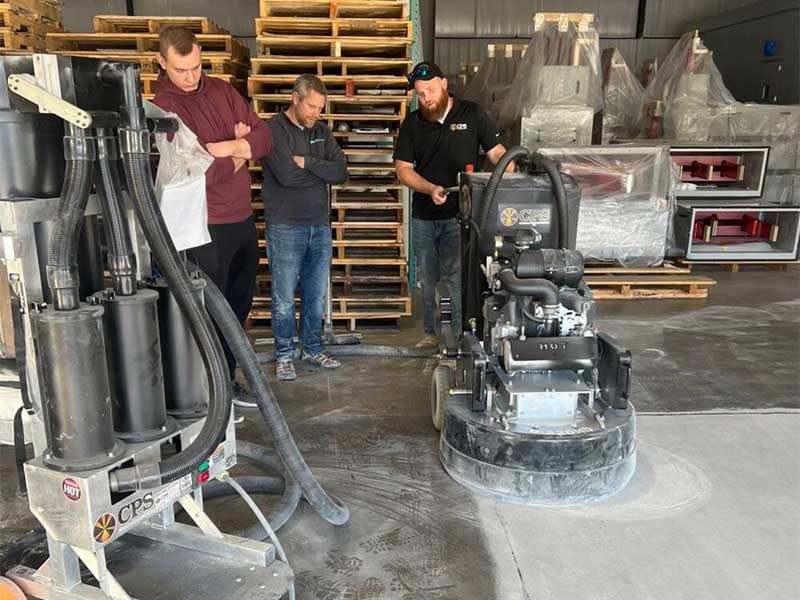
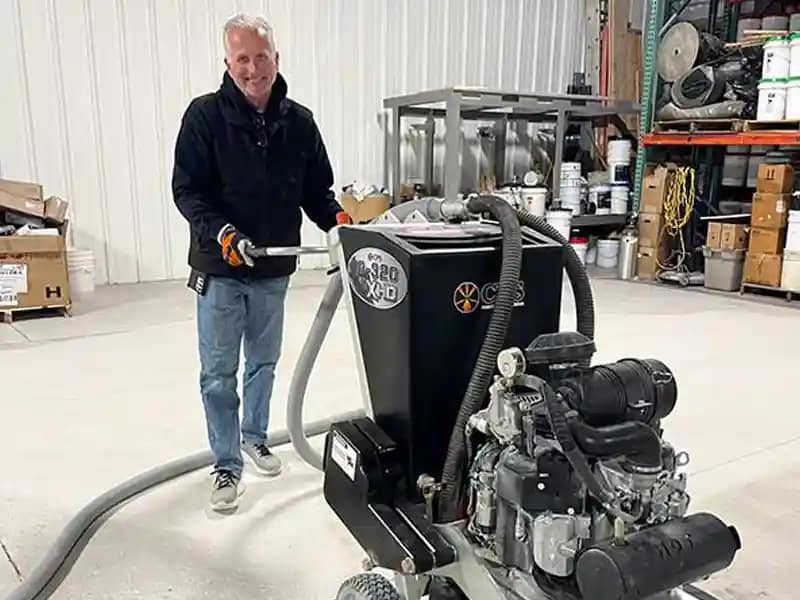
A successful concrete coating project requires more than choosing the right coating. Contractors also need the proper equipment to prepare the concrete, control dust, repair imperfections, mix materials, and apply the coating correctly. Using the right concrete coating equipment can make a major difference in jobsite efficiency, surface preparation, coating adhesion, and the final appearance […]
POLYUREA VS. POLYASPARTIC VS. EPOXY: WHICH CONCRETE COATING SYSTEM IS RIGHT FOR YOUR PROJECT?
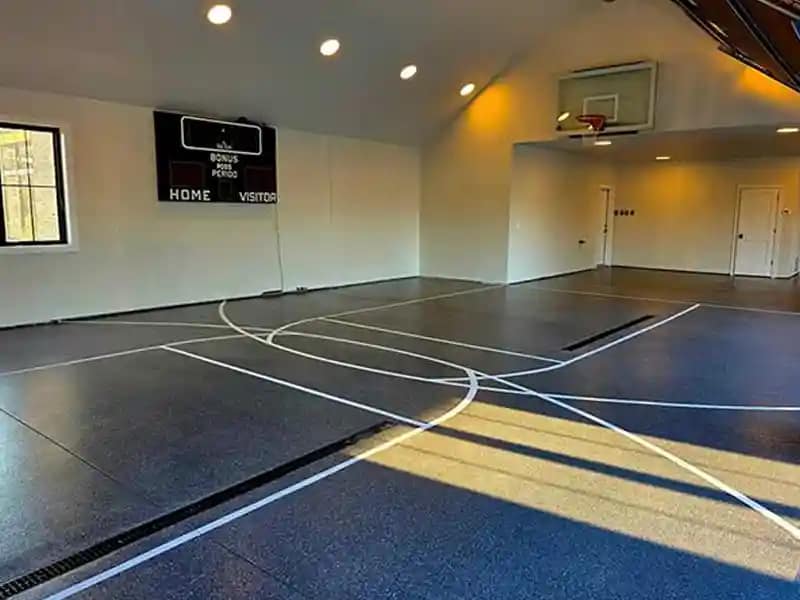
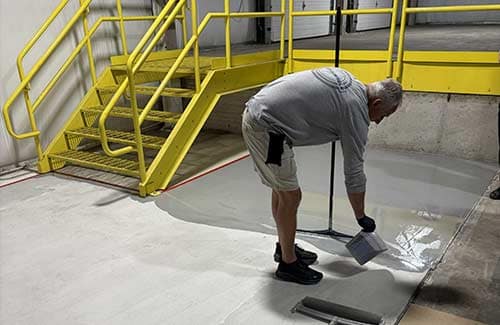
Choosing the right concrete floor coating is one of the most important decisions a contractor makes before starting a flooring project. Epoxy, polyurea, and polyaspartic systems can all provide durable and attractive results, but they are not interchangeable. The right choice depends on the condition of the concrete, installation environment, moisture, expected traffic, chemical exposure, […]
WISCONSIN CONCRETE FLOOR COATING GUIDE: HOW CLIMATE, TEMPERATURE, AND MOISTURE AFFECT YOUR PROJECT
Wisconsin contractors face challenges that concrete coating professionals in warmer climates may not experience in the same way. Cold winters, changing temperatures, snow, road salt, moisture, and humid summer conditions can all affect concrete floors and the decisions contractors make before installing a coating system. Choosing the right concrete floor coating is not simply about […]
Contractor Tips for Choosing the Right Concrete Patio Coating

A well-coated concrete patio boosts property value and withstands wear. Exposure to weather, foot traffic, and wear can deteriorate concrete surfaces over time. The best options include polyaspartic coatings for long-lasting protection, epoxy for a smooth finish, stamped overlays for a decorative touch, and acrylic sealers for affordability. Each has its pros and cons, and […]
WHAT SURFACE PREP IS REQUIRED BEFORE APPLYING POLYASPARTIC COATINGS?

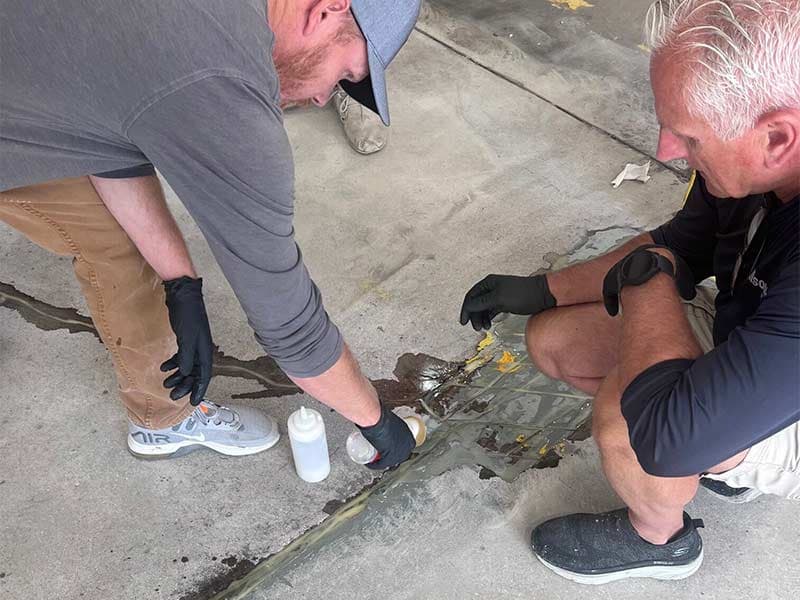
At a minimum, the concrete must be clean, dry, and mechanically profiled to a CSP 2–3 using diamond grinding or shot blasting. Proper surface prep also includes degreasing, repairing cracks, testing for moisture, and removing all dust before application. When it comes to achieving a durable, professional-grade polyaspartic floor system, surface preparation is non-negotiable. Even […]
CAN CONTRACTORS USE ACETONE WITH POLYUREA BASECOATS?
Adding acetone to the polyurea basecoat is not a good idea. While this might seem like a quick and easy solution, it can actually do more harm than good. Some installers attempt to use acetone to thin polyurea or extend working time, this shortcut can weaken the coating, cause surface defects, void warranties, and lead […]
WHAT ARE THE BEST METHODS FOR PREVENTING BUBBLES IN POLYASPARTIC TOPCOATS?
The best method for preventing bubbles in polyaspartic topcoats is to seal the concrete with a moisture-tolerant basecoat and apply the topcoat using proper mixing and rolling techniques. Controlling substrate conditions, mixing ratios, and environmental factors also plays a crucial role in ensuring a bubble-free finish. Bubbles in polyaspartic topcoats can ruin an otherwise flawless […]