

Adding acetone to the polyurea basecoat is not a good idea. While this might seem like a quick and easy solution, it can actually do more harm than good.
Some installers attempt to use acetone to thin polyurea or extend working time, this shortcut can weaken the coating, cause surface defects, void warranties, and lead to inconsistent results.
Instead, industry professionals recommend safer alternatives like manufacturer-approved reducers and environmental adjustments to ensure a durable, high-performance flooring system.
In this guide, I’ll break down why acetone is a risky choice, explore its negative effects on polyurea, and highlight the best alternatives for a professional-grade installation.
UNDERSTANDING POLYUREA BASECOATS
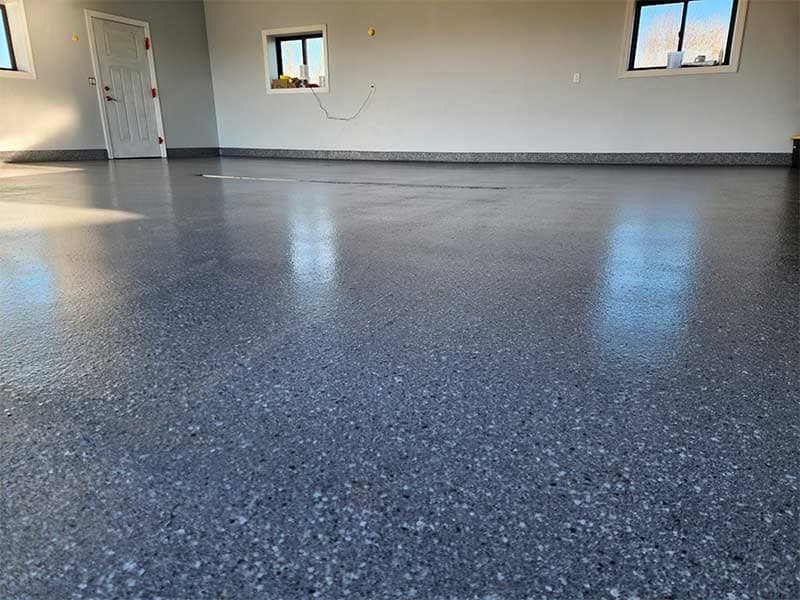
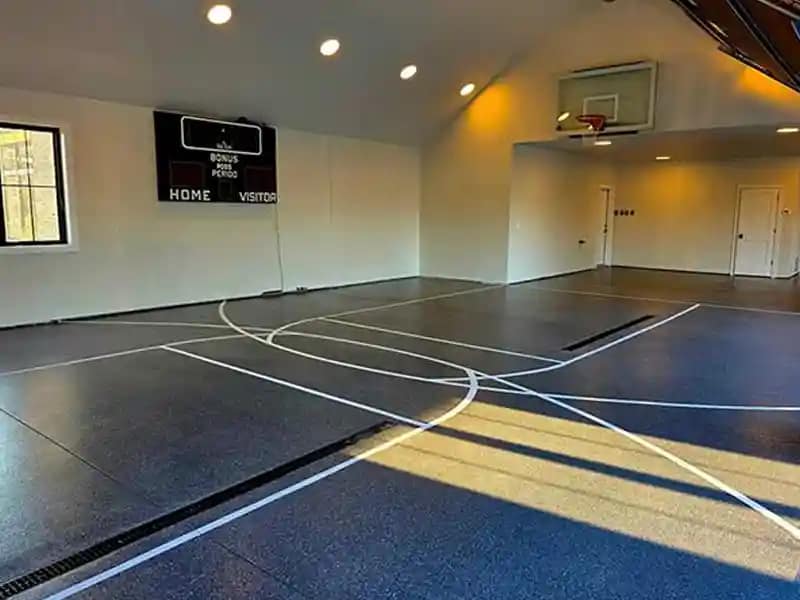
Polyurea floor coatings are widely used in commercial, industrial, and residential flooring systems due to their fast curing times, high durability, and resistance to chemicals and abrasion.
These concrete floor coatings provide a long-lasting, high-performance surface ideal for spaces with heavy foot traffic or machinery.
One of polyurea’s key advantages is its rapid curing properties. However, this speed can also be a challenge for installers who need more working time to evenly apply the basecoat before broadcasting high-quality decorative flakes.
To slow down curing, some professionals attempt to thin polyurea with acetone, but this approach can lead to significant problems.
THE HIDDEN DANGERS OF ADDING ACETONE TO POLYUREA COATINGS
1. WEAKENED COATING STRENGTH
Adding acetone to polyurea disrupts the chemical composition of the material, weakening the polymer structure that provides strength and durability.
2. SOLVENT POPPING AND SURFACE IMPERFECTIONS
Flooring specialists warn that even small amounts of acetone can lead to reduced impact resistance and premature wear, especially in high-traffic areas where durability is critical.
Acetone evaporates at a much faster rate than systems are designed to accommodate
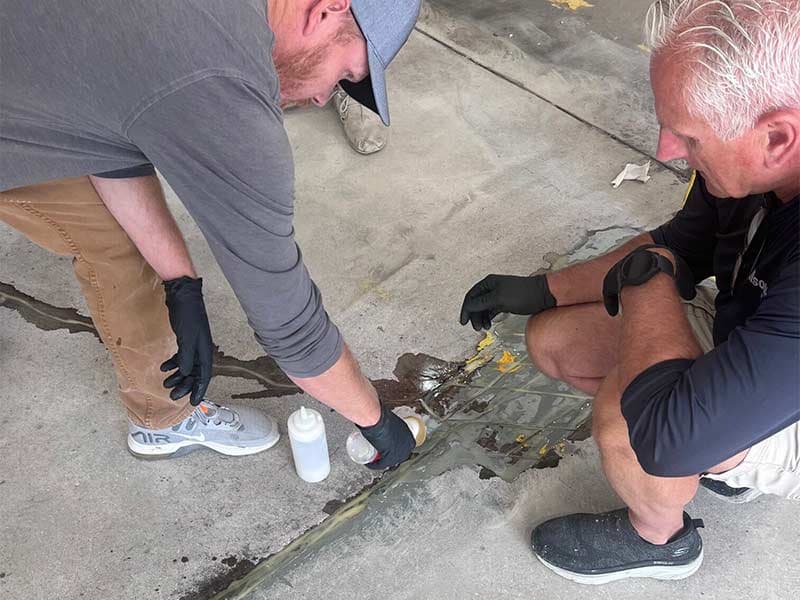
This rapid evaporation can cause solvent popping, a phenomenon where tiny air bubbles become trapped within the concrete coating.
As the acetone escapes too quickly, these bubbles turn into blisters, pinholes, or an uneven surface texture.
Experts in industrial flooring note that solvent popping not only affects appearance but also creates vulnerabilities that allow moisture and contaminants to penetrate, leading to long-term degradation. These imperfections significantly reduce the protective qualities of the flooring system, increasing maintenance costs over time.
3. WARRANTY VOIDS & COMPLIANCE ISSUES
Most polyurea manufacturers explicitly state in their Technical Data Sheets (TDS) that their formulations do not require external additives. Adding acetone:
- Alters the product’s chemical balance
- Can void manufacturer warranties
- Risks compliance issues for professional installers
This means if something goes wrong, peeling, bubbling, or premature wear, you may not be covered for repairs or replacement.
4. INCONSISTENT PERFORMANCE
Unlike manufacturer-approved reducers, acetone use introduces variables that can result in unpredictable curing behavior.
Inconsistent application techniques and environmental conditions can all affect concrete coating performance. These variables can lead to issues such as uneven curing, discoloration, and poor adhesion of decorative chips.
Concrete coating specialists advise that professional installers should follow Technical Data Sheets (TDS) recommendations to ensure a uniform finish. Acetone-thinned polyurea is more likely to cure unevenly, leading to color variations and weak adhesion that shorten the lifespan of the flooring system.
SAFE AND EFFECTIVE ALTERNATIVES TO ACETONE
If you need to extend the working time or adjust viscosity, here are better solutions that maintain the integrity of your flooring system:
1. Use a Manufacturer-Approved Reducer
Many polyurea manufacturers offer their own reducers or solvents specifically designed to adjust the working time of their concrete floor coatings without compromising performance. These products are formulated to maintain proper adhesion, curing behavior, and durability while providing additional time for application.
2. Work in Smaller Sections
Rather than attempting to extend the working time of an entire batch, consider working in smaller sections. This allows for better control over the application and helps ensure a smoother, more consistent finish .
Contractors commonly recommend this approach, particularly for large flooring projects, as it minimizes waste and supports a more precise application of the basecoat.
3. Adjust Temperature and Humidity
Since environmental factors significantly impact curing times, flooring experts recommend installing coatings in cooler temperatures and controlling humidity levels in the workspace to naturally slow the curing process.
4. Use a Slower Curing Polyurea Formula
Some polyurea formulations are designed with extended working times. These are ideal for situations where extended workability is needed. Check with your supplier to see if a slower curing version is available.

BEST PRACTICES FOR INSTALLING POLYUREA BASECOATS
To ensure a successful flooring installation, follow these best practices:
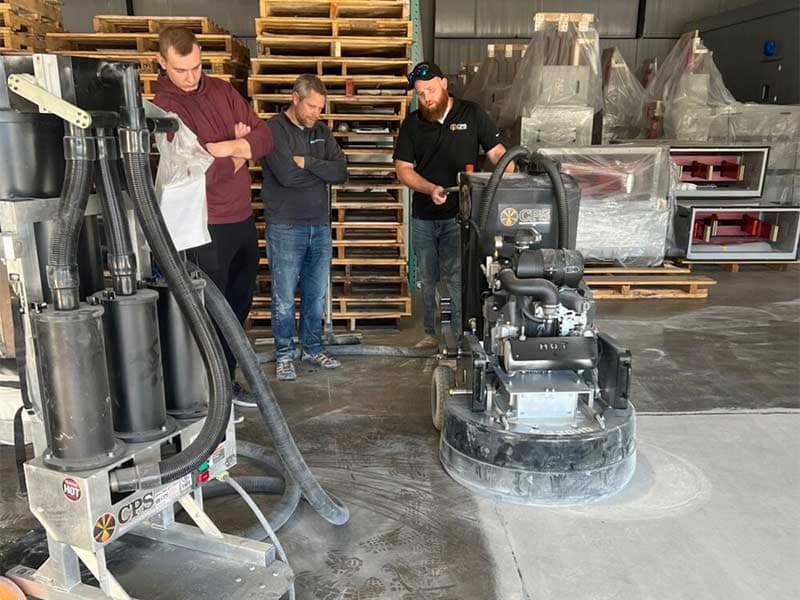
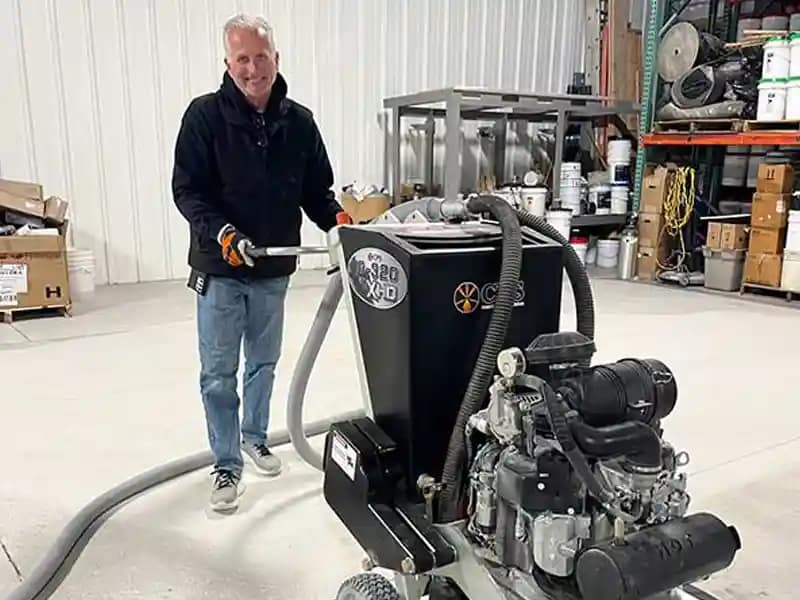
- Surface Preparation: Properly clean and profile the concrete surface with concrete grinding equipment before applying the basecoat. Any dust, grease, or moisture can negatively affect adhesion .
- Proper Mixing: Follow the manufacturer’s guidelines precisely, do not add unauthorized solvents or chemicals.
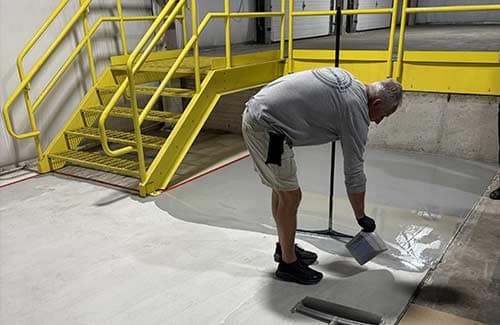
- Application Techniques: Use the recommended tools, such as rollers or sprayers, to achieve an even coat without overworking the material.
- Timing Matters: Broadcast vinyl flakes immediately after applying the basecoat for seamless integration.
- Curing Compliance: Allow the basecoat to cure according to manufacturer’s guidelines before applying a topcoat or sealant.
INVEST IN THE RIGHT TRAINING & PRODUCTS
For contractors looking to improve their skills and avoid costly mistakes, decorative flake training for flooring installation is essential. Learning about proper techniques, tools, and materials ensures:
- Professional-quality installations
- Compliance with manufacturer guidelines
- Fewer callbacks or costly rework
By investing in training and using manufacturer-approved concrete coating supplies, you can achieve durable, high-performance floors without taking shortcuts that compromise quality.
PRIORITIZE QUALITY OVER SHORTCUTS
While adding acetone to a polyurea basecoat may seem like a convenient way to slow curing, it introduces significant risks, including weakened durability, surface defects, voided warranties, and inconsistent results.
Instead, choose safer, manufacturer-approved solutions such as reducers, controlled working conditions, and slow-curing formulations.
If you’re unsure about modifying your products, always refer to the Technical Data Sheet (TDS) or consult your supplier.
By following industry best practices, you can ensure long-lasting, high-performance flooring installations without unnecessary risk.
Need expert guidance or high-quality concrete floor supplies? Contact our team at Allsource Supply Inc. at 833-663-4255 today!