

Contractors often compare Hardbond 3000 and Hardbond 4000 Polyaspartic when choosing a professional concrete flooring product. The right choice depends on the project, installation conditions, expected traffic, chemical exposure, and the type of flooring system being installed.
Both products are polyaspartic coatings, but their specifications and intended uses can differ. Understanding those differences can help contractors select the product that better matches the job.
What Is the Difference Between Hardbond 3000 and Hardbond 4000?
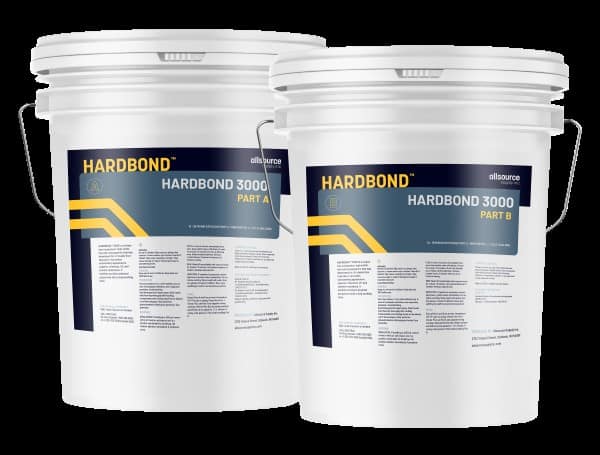
Contractors use Hardbond 3000 and Hardbond 4000, professional-grade polyaspartic products, in concrete floor coating systems.
Hardbond 3000 Polyaspartic is a low-odor, low-VOC polyaspartic designed for demanding flooring applications. It offers high hardness, abrasion resistance, bond strength, UV resistance, and chemical resistance.
Hardbond 4000 Polyaspartic is a low-odor, high-solids polyaspartic designed for fast-turn concrete floor systems. It is commonly used with vinyl flakes and is available in Summer and Tropical versions for extended working time.
The best product depends on the complete flooring system and the conditions of the project.
Hardbond 3000 Polyaspartic
Hardbond 3000 is designed for applications where contractors need a durable polyaspartic coating with strong abrasion resistance and flexibility.
It can be used clear or pigmented and may serve as a primer, body coat, or topcoat depending on the system and application requirements.
Hardbond 3000 can be considered for projects such as:
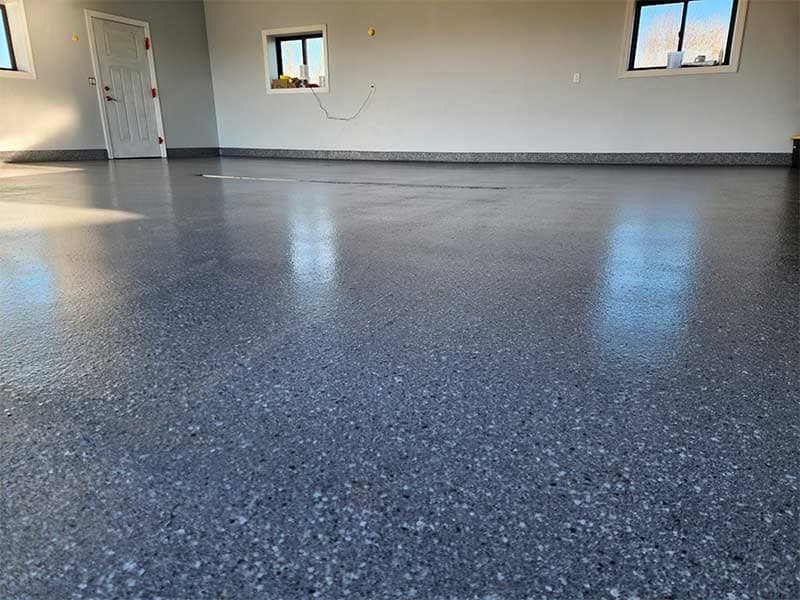
- Residential garages
- Warehouses
- Industrial floors
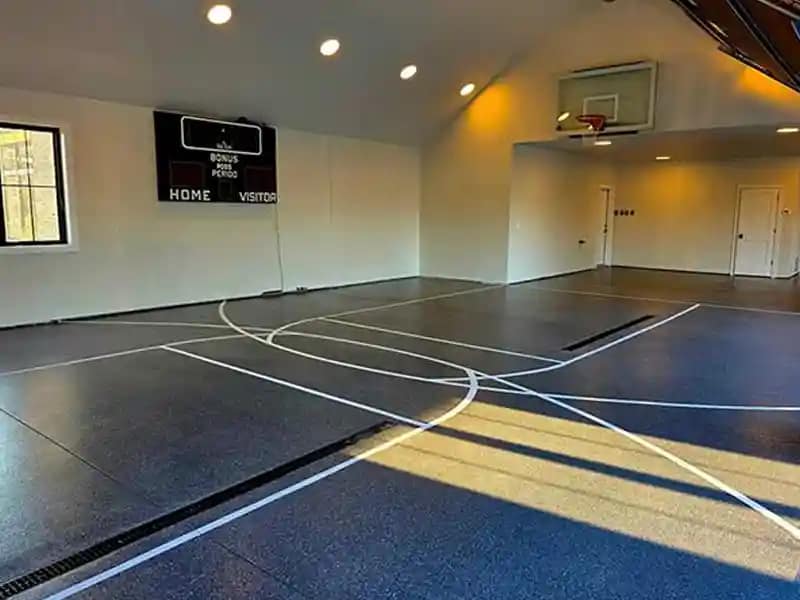
- Commercial spaces
- High-traffic concrete floors
Its low-odor and low-VOC characteristics can also make it useful for projects where odor and indoor air quality are important considerations.
Hardbond 4000 Polyaspartic
Hardbond 4000 is designed for fast-turn concrete flooring systems and is commonly used with vinyl flakes.
It provides mechanical strength, chemical resistance, UV stability, and durability while allowing contractors to complete flooring systems efficiently when project conditions and product requirements are properly managed.
The product is available in different formulations, including Summer and Tropical versions, which can provide additional working time in warmer installation conditions.
Hardbond 4000 may be suitable for:
- Garage floors
- Commercial facilities
- Automotive spaces
- Warehouses
- High-traffic areas
- Decorative flake flooring systems
Hardbond 3000 vs. Hardbond 4000
While both products can be used in professional concrete coating systems, there are several factors contractors should consider before choosing between them.
| Feature | Hardbond 3000 | Hardbond 4000 |
| Product type | Polyaspartic | Polyaspartic |
| Odor | Low odor | Low odor |
| VOC characteristics | Low VOC | High solids |
| Abrasion resistance | Yes | Yes |
| Chemical resistance | Yes | Yes |
| UV resistance | Yes | Yes |
| Common use | Protective coating applications | Fast-turn flooring systems |
| Vinyl flake systems | Can be used depending on system | Commonly used |
| Warm-weather options | Summer formulation | Summer and Tropical formulations |
| Application | Clear or pigmented | Available for specific system applications |
The specifications above should always be checked against the current product technical data sheet before installation.
Which One Is Better for Garage Floors?
Garage flooring can have different requirements depending on whether the space is residential, commercial, or exposed to heavy vehicle traffic.
For a typical garage coating project, contractors should consider:
- Vehicle traffic
- Oil and chemical exposure
- UV exposure
- Desired finish
- Slip resistance
- Installation temperature
- Required return-to-service time
Both Hardbond 3000 and Hardbond 4000 can be used as part of professional garage flooring systems, but the complete system should be selected based on the specific project.
For decorative garage floors, AllSource Supply also offers a Decorative Flake System that combines a polyurea basecoat, decorative flakes, and a polyaspartic topcoat.
Which One Is Better for Commercial and Industrial Floors?
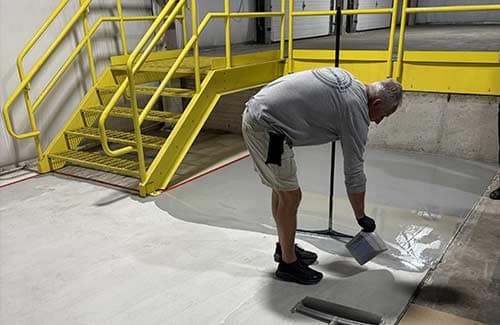
Commercial and industrial floors can experience significantly more traffic and wear than residential floors.
Warehouses, automotive shops, production areas, and other facilities may have:
- Forklift traffic
- Heavy equipment
- Vehicle traffic
- Chemical exposure
- Frequent cleaning
- Abrasion
- Temperature changes
In these environments, contractors should look beyond the topcoat and consider the complete flooring system.
The concrete condition, surface preparation, basecoat, broadcast materials, topcoat, moisture conditions, and installation environment can all affect the final performance of the floor.
AllSource Supply provides concrete floor coating systems for different residential, commercial, and industrial applications.
When Should You Consider Hardbond 3000?
Hardbond 3000 may be worth considering when the project requires a polyaspartic coating with strong hardness, abrasion resistance, chemical resistance, and UV resistance.
It can also be useful when contractors need flexibility in how the product is incorporated into the flooring system because it can be used clear or pigmented depending on the application.
The actual use should be determined according to the project requirements and the current technical data sheet.
When Should You Consider Hardbond 4000?
Hardbond 4000 may be a strong option when a contractor is working with a fast-turn concrete flooring system and needs a polyaspartic product commonly used with vinyl flakes.
Its Summer and Tropical formulations can also be useful when installation conditions require additional working time.
For projects where downtime is an important consideration, contractors should review the product’s curing and recoat requirements and plan the installation accordingly.
Surface Preparation Matters for Both Products
Choosing the right polyaspartic is only part of a successful flooring installation.
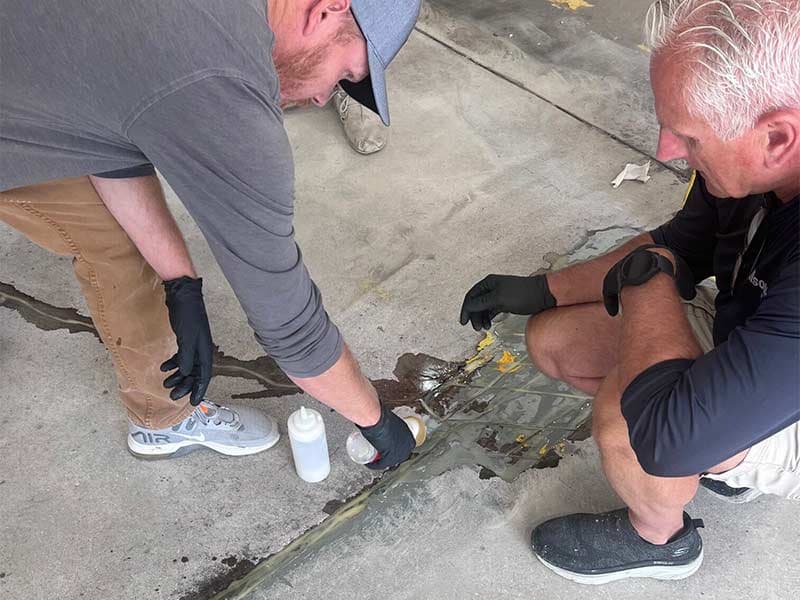
The concrete must be properly prepared before coating. Dirt, oil, grease, existing coatings, weak concrete, cracks, dust, and moisture can all affect coating performance.
Depending on the project, preparation may include:
- Cleaning and degreasing
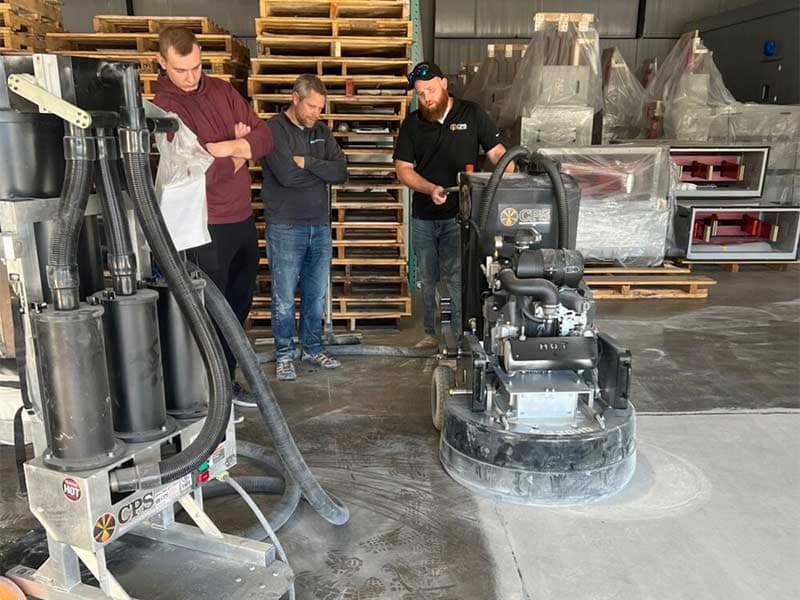
- Diamond grinding
- Shot blasting
- Crack repair
- Removing existing coatings
- Dust removal
- Moisture testing
- Creating the required surface profile
AllSource Supply’s guide on surface preparation for polyaspartic coatings explains why preparation is critical before applying a polyaspartic system.
A high-quality coating cannot compensate for poorly prepared concrete.
How Temperature Can Affect Product Selection
Temperature can influence working time, curing, and application conditions for polyaspartic coatings.
Contractors should review the product requirements before starting a project and consider:
- Concrete temperature
- Ambient temperature
- Humidity
- Working time
- Recoat window
- Cure time
Hardbond 3000 has a Summer formulation for warm and humid conditions, while Hardbond 4000 offers Summer and Tropical versions.
Using the appropriate formulation can help contractors manage installation conditions more effectively.
Hardbond 3000 vs. 4000: What Should Contractors Consider?
Before choosing a product, ask:
- What type of floor is being installed?
- How much traffic will the floor receive?
- Will vehicles or forklifts operate on the surface?
- Will the floor be exposed to chemicals or oils?
- Is UV exposure a concern?
- What are the installation temperatures?
- How quickly does the customer need the floor back in service?
- Will decorative flakes be used?
- What condition is the existing concrete in?
- What does the current technical data sheet require?
Answering these questions can help contractors determine which product and complete flooring system are appropriate for the project.
Choosing the Right Polyaspartic Coating
There is no single polyaspartic product that is automatically right for every concrete floor.
Hardbond 3000 and Hardbond 4000 both offer useful characteristics for professional flooring applications, but the correct choice depends on the complete system and project conditions.
They may be considered for applications requiring hardness, abrasion resistance, flexibility, and low-odor, low-VOC characteristics. Hardbond 4000 may be considered when contractors need a fast-turn system, particularly for applications using vinyl flakes and projects requiring specific warm-weather formulations.
Always review the latest product documentation and installation requirements before selecting and applying a coating.
Get Hardbond Polyaspartic Products from AllSource Supply
AllSource Supply provides professional concrete coating products, equipment, repair materials, and flooring systems for contractors.
Whether you’re installing a garage floor, commercial space, warehouse, automotive floor, or industrial coating system, selecting the right materials is an important part of achieving a durable finished floor.
If you’re unsure which Hardbond product or complete flooring system fits your project, contact AllSource Supply at 833-663-4255 to discuss your application and product requirements.