


Concrete floors are exposed to constant wear from foot traffic, vehicles, equipment, moisture, and chemical spills. For contractors, choosing the right coating system is essential for delivering durable finishes that meet customers’ expectations. Polyurea floor coatings offer a practical option for residential, commercial, and industrial projects when the product and installation system are suited to the application.
From garage floors to warehouses and workshops, understanding how polyurea coatings work can help contractors select suitable materials, improve installation efficiency, and deliver long-lasting results.
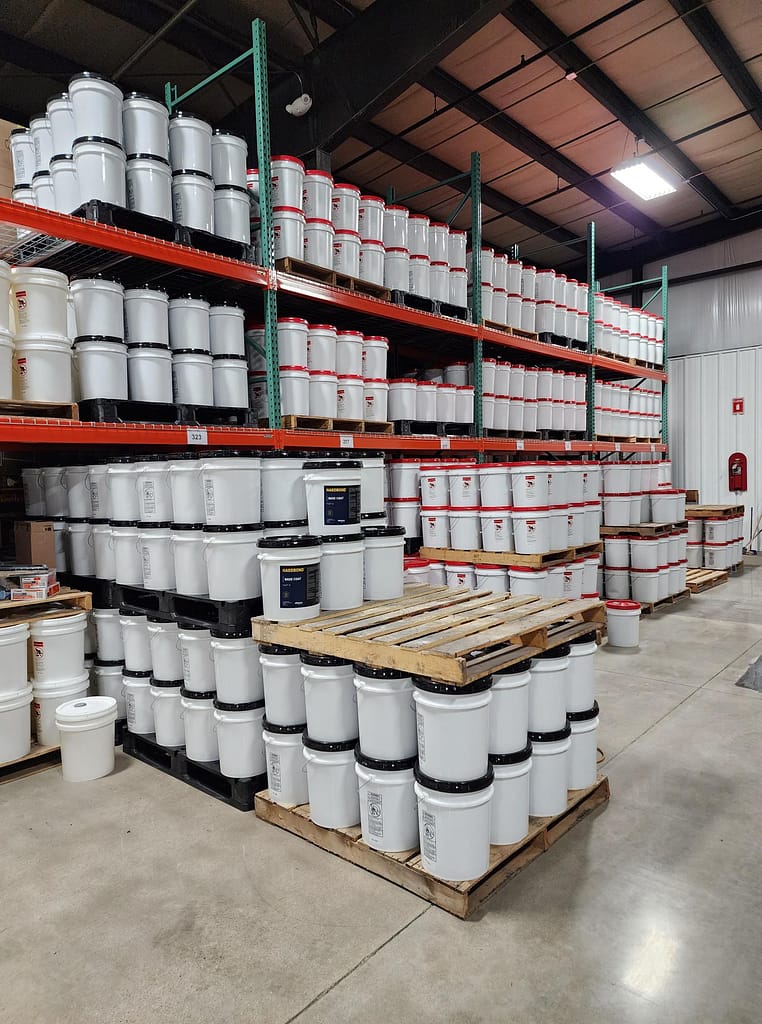
What Are Polyurea Floor Coatings?
Polyurea is a coating material used in professional concrete flooring systems. Depending on the formulation, it can provide strong adhesion, abrasion resistance, flexibility, and fast curing. These characteristics make polyurea a useful option for projects where durability and efficient installation are important.
However, performance depends on several factors, including concrete condition, surface preparation, moisture levels, application temperature, and the specific product being used.
Contractors should review the manufacturer’s technical data sheets before selecting a coating system. AllSource Supply offers professional-grade materials through its concrete floor coating solutions for residential and commercial applications.
Key Benefits of Polyurea Floor Coatings
1. Durability for Demanding Environments
Concrete floors in garages, workshops, and commercial facilities must withstand regular traffic and everyday wear. A properly selected and installed polyurea coating system can help protect concrete against abrasion, impacts, and surface deterioration.
For contractors, choosing products suited to the expected traffic and operating conditions is essential. A residential garage, for example, may have different performance requirements from a busy automotive workshop or industrial warehouse.
Before starting a project, assess how the floor will be used and select a coating system designed for those conditions.
2. Faster Installation and Curing
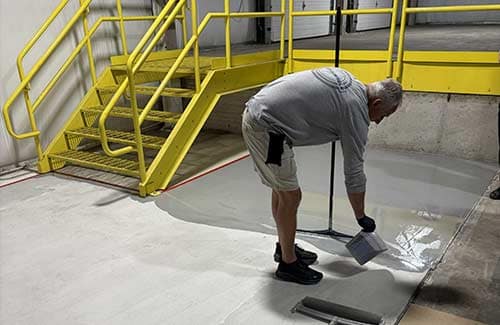
Project timelines matter to both contractors and customers. Some polyurea formulations cure quickly, allowing contractors to complete coating projects efficiently and reduce downtime.
However, working time and curing requirements vary by product. Fast-curing materials also require careful planning because contractors may have less time to mix, distribute, and finish the coating.
Review the manufacturer’s application instructions, temperature requirements, and recoat windows before beginning installation. Proper planning helps maintain consistent coverage and avoid unnecessary delays.
3. Protection Against Everyday Spills and Chemicals
Garage floors, automotive facilities, and industrial workspaces may be exposed to oil, cleaning products, and other chemicals. The right coating system can help protect the underlying concrete from certain spills and make routine cleaning easier.
Chemical resistance varies by formulation, concentration, exposure duration, and temperature. Contractors should check the relevant technical documentation to confirm whether a coating is appropriate for the chemicals expected in a particular environment.
For projects that require multiple protective layers, choosing compatible primers, basecoats, and topcoats is particularly important.
4. Attractive Finishes for Different Applications
Performance is only one consideration when selecting a concrete floor coating. Customers also want floors that complement their properties and are easy to maintain.
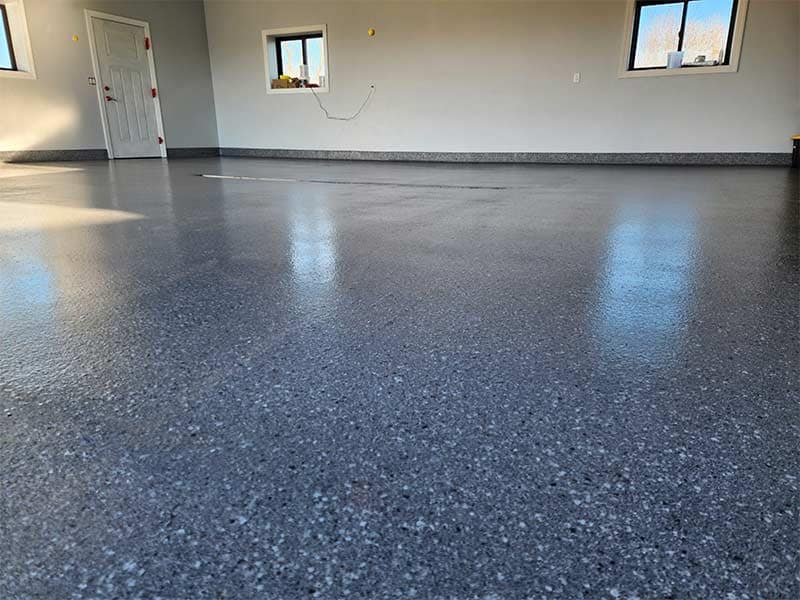
Polyurea systems can be used in solid-color and decorative flake applications, depending on the products selected. Contractors can choose finishes that suit residential garages, showrooms, workshops, and other spaces.
Explore AllSource Supply’s decorative flake system to learn how coating layers and decorative materials can work together to create an attractive finished floor.
5. Versatility Across Residential and Commercial Projects
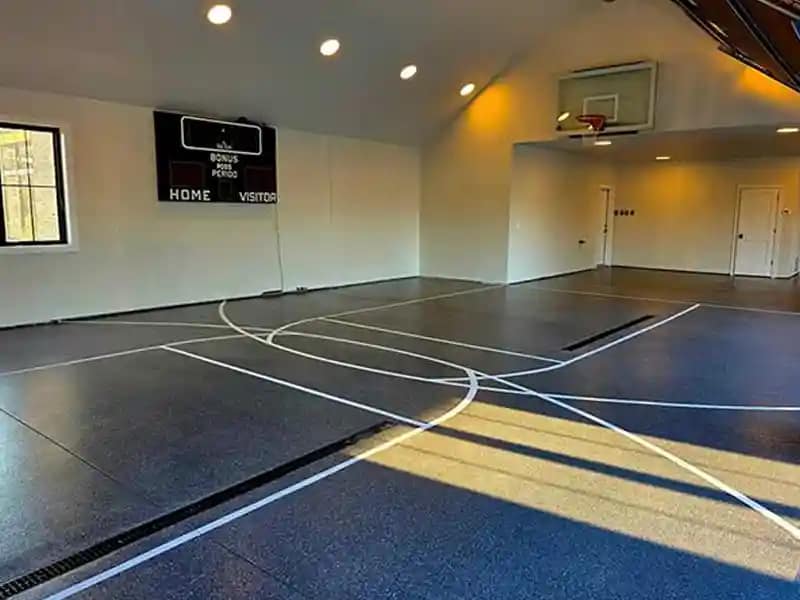
Different environments require different flooring solutions. Polyurea coatings may be suitable for a range of applications when the selected formulation and complete system meet the project’s requirements.
Common applications include:
- Residential garages: Coatings can help protect concrete from vehicle traffic, tire marks, and everyday spills.
- Basements: Appropriate systems can provide a finished surface for residential spaces, provided moisture conditions are properly evaluated.
- Automotive workshops: Suitable coatings can help protect floors exposed to regular traffic, abrasion, and selected automotive chemicals.
- Commercial facilities: Retail spaces, showrooms, and service areas may benefit from durable, easy-to-clean floor finishes.
- Industrial environments: Carefully selected coating systems can help protect concrete floors exposed to equipment, frequent traffic, and demanding operating conditions.
Contractors should evaluate the intended use, substrate condition, and environmental requirements before recommending a system.

Polyurea vs. Polyaspartic and Epoxy Coatings
Choosing between polyurea, polyaspartic, and epoxy requires more than comparing product names. Each material has different characteristics, and the best choice depends on the complete flooring system.
Polyurea coatings: Often selected for their curing characteristics, flexibility, and durability. Formulations vary, so contractors should confirm application requirements and performance specifications.
Polyaspartic coatings: Commonly used as protective topcoats because certain formulations offer UV stability, abrasion resistance, and relatively fast curing. They can be an effective component of a compatible multi-layer coating system.
Epoxy coatings: Widely used in concrete flooring because of their adhesion, durability, and versatility. They are available in different formulations for decorative and functional applications.
For a more detailed comparison, read AllSource Supply’s guide to polyurea, polyaspartic, and epoxy coating systems.
The goal is not to select one coating for every job. It is to choose a compatible system that meets the project’s performance, appearance, and installation requirements.
Why Concrete Surface Preparation Matters
Even a high-quality coating can fail prematurely if the concrete is not properly prepared. Dust, oil, existing coatings, weak concrete, and moisture problems can interfere with adhesion and affect the finished result.
Before applying a polyurea coating, contractors should follow a systematic preparation process.
Inspect the Concrete
Examine the surface for cracks, spalling, deteriorated areas, contamination, and existing coatings. Identify defects that require repair before proceeding.
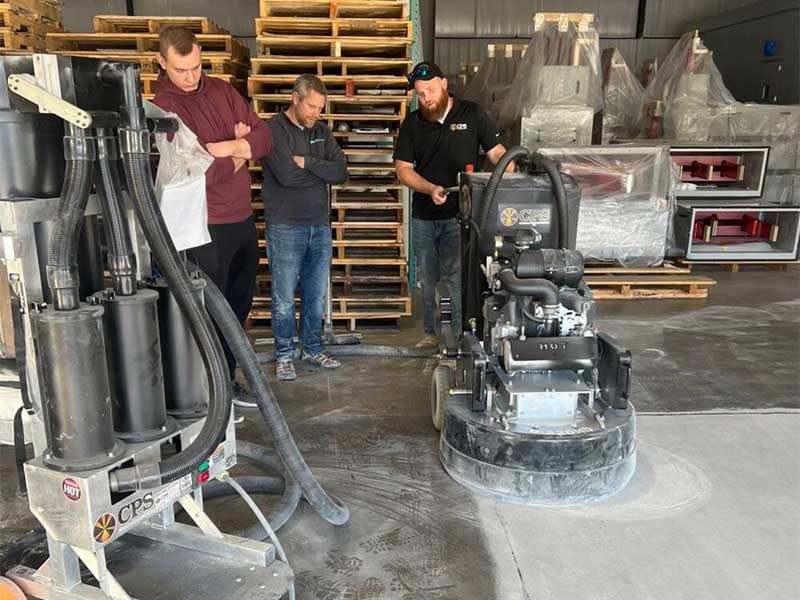
Prepare the Surface Mechanically
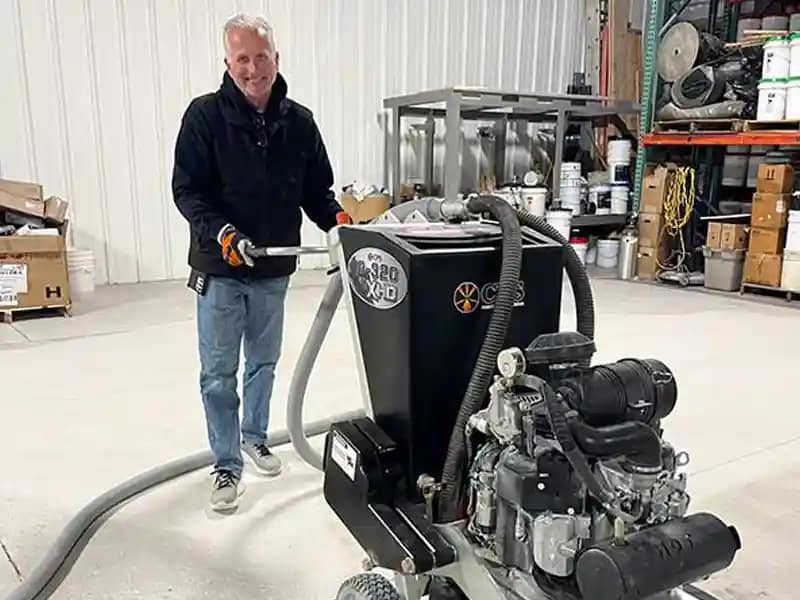
Use suitable grinding or other approved mechanical preparation methods to achieve the surface profile required by the coating manufacturer. Remove dust and debris before applying the next layer.
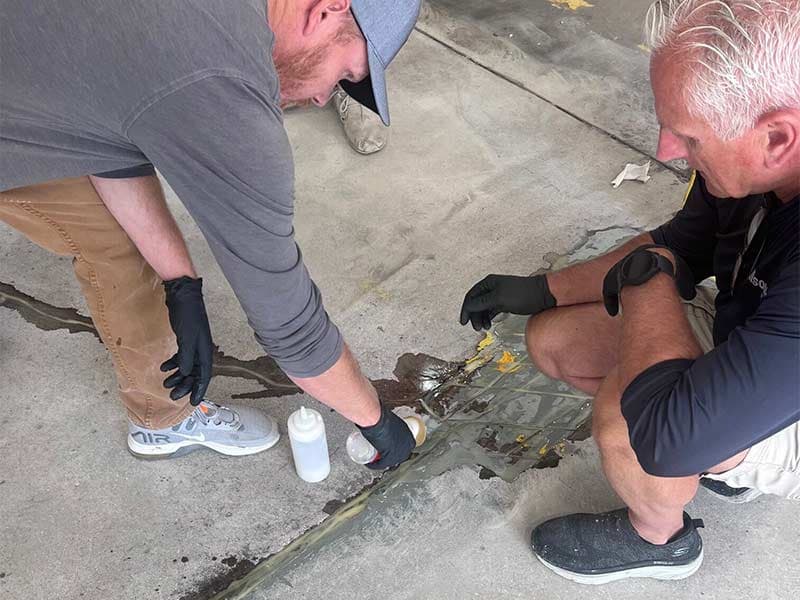
Repair Cracks and Surface Defects
Select compatible repair materials based on the size and depth of the damage and the requirements of the coating system. Allow repairs to cure according to the product instructions.
Check Moisture Conditions
Excess moisture can contribute to adhesion problems and coating failure. Conduct appropriate moisture testing and determine whether a moisture mitigation system is needed before proceeding.
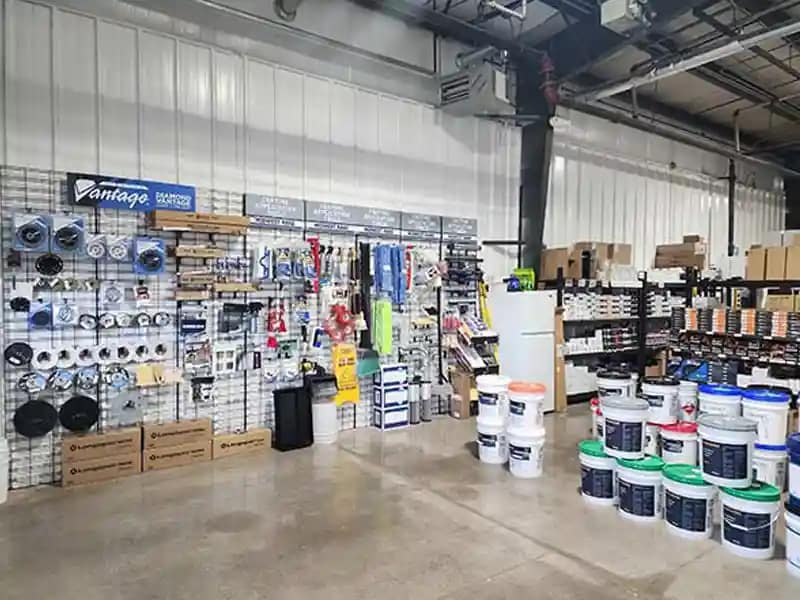
Contractors can explore AllSource Supply’s concrete coating products and equipment to find materials and tools relevant to surface preparation, repairs, and coating applications.
For additional guidance, consult the company’s technical resources and review the product-specific installation requirements.
How to Choose the Right Polyurea Floor Coating System
Selecting the right system begins with understanding the project rather than choosing a product based on curing speed or price alone.
Consider these factors before making a recommendation:
- Intended use: Determine whether the floor will serve a residential garage, commercial facility, workshop, or industrial environment.
- Traffic and wear: Evaluate vehicle traffic, equipment loads, foot traffic, and potential abrasion.
- Chemical exposure: Identify the substances that may contact the floor and verify the coating’s chemical resistance.
- Concrete condition: Assess surface strength, existing damage, contamination, and the required preparation.
- Moisture levels: Test the substrate and address moisture concerns before coating application.
- Application conditions: Check temperature, humidity, working time, curing requirements, and recoat windows.
- System compatibility: Confirm that primers, basecoats, decorative materials, and topcoats are designed to work together.
- Maintenance requirements: Consider how the finished floor will be cleaned and maintained.
Following these steps helps contractors select materials that suit the project and establish realistic expectations for durability and performance.

Why Contractors Choose AllSource Supply
Having access to appropriate materials, equipment, and technical guidance can make concrete coating projects easier to plan and execute.
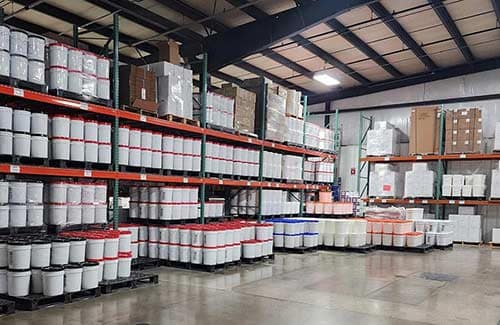
AllSource Supply provides professional-grade concrete coating products, repair materials, equipment, and jobsite supplies for concrete professionals. Its product selection supports a variety of flooring applications, from residential garages to commercial and industrial spaces.
Contractors can explore the company’s concrete coating products to identify materials for upcoming projects. Those who need additional assistance can also learn about AllSource Supply’s consulting services, which provide guidance for concrete coating projects.
Choosing suitable materials and following the manufacturer’s installation instructions are important steps toward achieving consistent, professional results.
Frequently Asked Questions
How long do polyurea floor coatings last?
The lifespan of a polyurea coating depends on the product formulation, concrete preparation, installation quality, traffic, environmental conditions, and maintenance. Following the manufacturer’s recommendations can help support long-term performance.
Are polyurea coatings suitable for garage floors?
Yes. Suitable polyurea systems are commonly used for garage floors because they can provide durable, attractive surfaces. Contractors should evaluate the concrete condition, moisture levels, vehicle traffic, and product requirements before selecting a system.
Can polyurea coatings be used in commercial facilities?
Yes. Polyurea coatings may be appropriate for commercial spaces, workshops, and industrial environments when the selected system meets the project’s traffic, chemical exposure, and operational requirements.
Is polyurea better than epoxy?
Neither material is automatically the best choice for every project. Polyurea and epoxy differ in curing characteristics, application requirements, and performance properties. Contractors should compare the specific products and choose a system that meets the project’s needs.
Why is concrete preparation important before coating?
Proper preparation helps the coating bond to the concrete. Removing contamination, repairing defects, establishing the required surface profile, and evaluating moisture conditions can reduce the risk of adhesion problems and premature coating failure.
Choose the Right Materials for Your Next Concrete Coating Project
Successful concrete flooring projects start with a clear understanding of the substrate, the working environment, and the performance the finished floor must deliver.
Polyurea coatings can provide a durable solution for many residential and commercial applications, but proper preparation, compatible materials, and careful installation remain essential.
Whether you’re planning a garage floor, a commercial workspace, or an industrial flooring project, AllSource Supply offers professional-grade concrete coating products, repair materials, equipment, and guidance to help you prepare for the job.
Explore AllSource Supply’s concrete coating solutions or contact the team to discuss your project’s material and equipment requirements.