

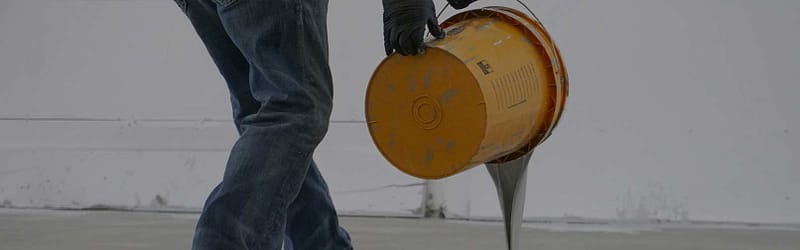
Every year, countless garage floor coating projects fail within months. Surfaces peel, fade, or crack, leaving homeowners frustrated and costly repairs unavoidable. Most of these failures happen because proper systems and preparation were overlooked from the start.
Garage floor coatings are not just cosmetic upgrades; they are long-term investments.
Choosing the right system, preparing the surface correctly, and accounting for local conditions ensures a durable, high-performing floor that stands the test of time.
WHY GARAGE FLOORS REQUIRE SPECIAL ATTENTION
Garages today are more than just parking spaces. They serve as workshops, home gyms, storage and utility areas, and clean, finished living spaces.
This evolution increases demand for flooring solutions that are durable, withstand vehicles, equipment, and heavy foot traffic, low-maintenance, easy to clean and resistant to stains, and long-lasting with no peeling, cracking, or fading within months.
One garage floor installed over unprepared concrete began peeling within three months. Another, using proper surface preparation and a high-performance coating system, remained flawless after a year. The difference is in the preparation and system used, not the cost.
The difference is in preparation, system selection, and using materials designed for local winter moisture and temperature swings.
Homeowners often underestimate the impact of seasonal changes, like snow melt or humidity, which can drastically affect floor adhesion and curing.
A professionally installed garage floor coating also helps protect the concrete slab from long-term damage caused by road salt, oil leaks, tire marks, moisture, and daily vehicle traffic. Instead of absorbing contaminants, the coated surface creates a durable barrier that extends the life of the concrete while making routine cleaning much easier.
A homeowner who parks two vehicles every day may notice oil stains and hot tire pickup on untreated concrete within a few years. A properly installed coating system prevents these issues, keeping the garage cleaner and reducing future repair costs.
COMMON PROBLEMS THAT CAUSE GARAGE FLOOR COATING FAILURES
1. INADEQUATE SURFACE PREPARATION
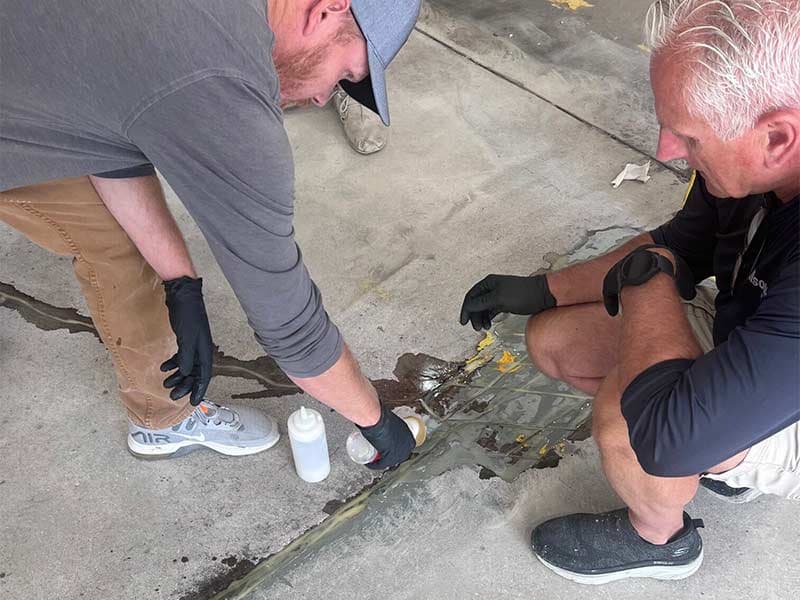
Concrete surfaces must be cleaned, ground, and free of moisture. Skipping these steps often leads to peeling or delamination.
A garage had coating installed over an untested surface. Moisture trapped beneath caused bubbling and partial failure within two months.
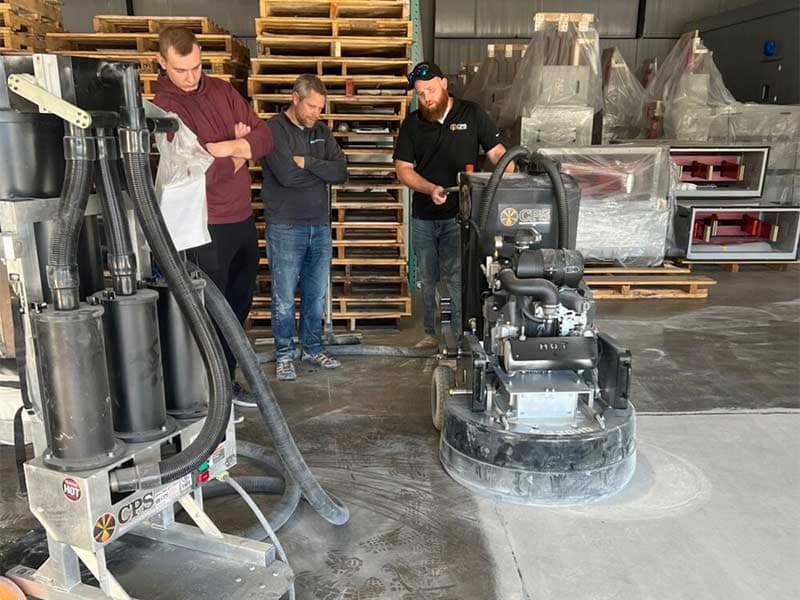
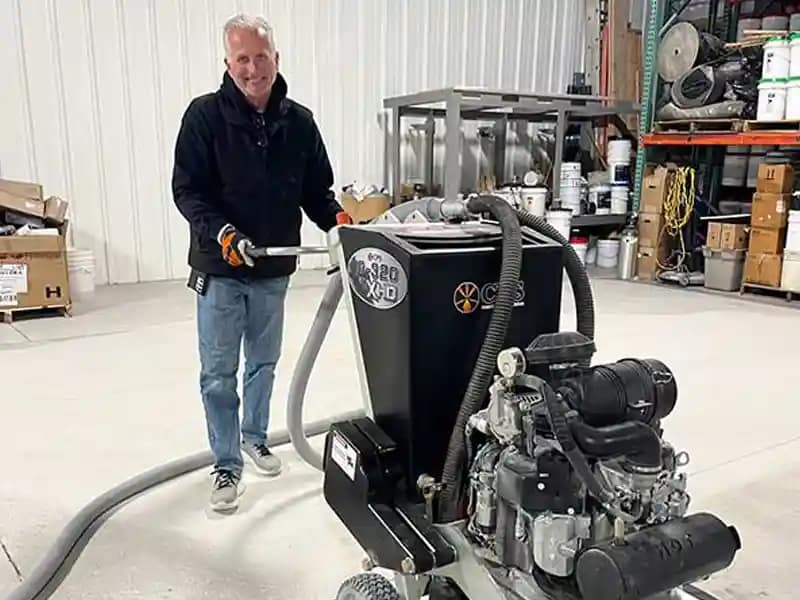
Surface preparation is often the single most important factor determining whether a garage floor coating lasts two years or twenty. Professional contractors typically use industrial diamond grinders to open the concrete surface, remove contaminants, and create the proper Concrete Surface Profile (CSP) needed for maximum coating adhesion.
Skipping this step may save time during installation, but it almost always leads to premature coating failure, expensive callbacks, and dissatisfied customers.
2. WRONG SYSTEM FOR LOCAL CONDITIONS
Wisconsin winters, moisture from snow melt, and seasonal temperature swings create challenges that standard coatings often cannot handle.
Improper curing due to cold temperatures led to cracking and uneven finish. Using a moisture-tolerant, fast-curing system could have prevented this.
3. OVERLOOKING DURABILITY
Coatings that look perfect on day one may yellow, fade, or wear unevenly if not designed for UV exposure or chemical resistance.
High-performance topcoats maintain color, resist chemicals, and withstand vehicle wear, even in busy garages.
Homeowners should also consider adding an anti-slip finish for safety, especially in garages used for workshops or exercise areas.
EPOXY VS. POLYUREA VS. POLYASPARTIC: WHICH SYSTEM IS BEST?
Choosing the right coating system is just as important as proper installation. Each technology offers unique advantages depending on the project requirements.
Epoxy coatings provide excellent durability and are often selected for budget-conscious projects. However, they generally require longer cure times and can yellow when exposed to prolonged UV light.
Polyurea coatings offer superior flexibility, exceptional adhesion, and excellent moisture tolerance, making them an outstanding choice for garages exposed to seasonal temperature changes.
Polyaspartic coatings cure quickly, resist UV damage, and allow homeowners to return to service much faster than traditional epoxy systems. For many residential garage projects, they provide the ideal balance of appearance, durability, and installation speed.
PROVEN METHODS FOR LONG-LASTING GARAGE FLOORS
PROPER SURFACE PREPARATION
- Concrete grinding
- Crack repair
- Moisture testing and mitigation
Adding primer and bonding agents before coating improves adhesion and prevents early failure.
HIGH-PERFORMANCE SYSTEMS
- Polyaspartic topcoats for fast curing
- Moisture-tolerant base layers
- UV-resistant sealants
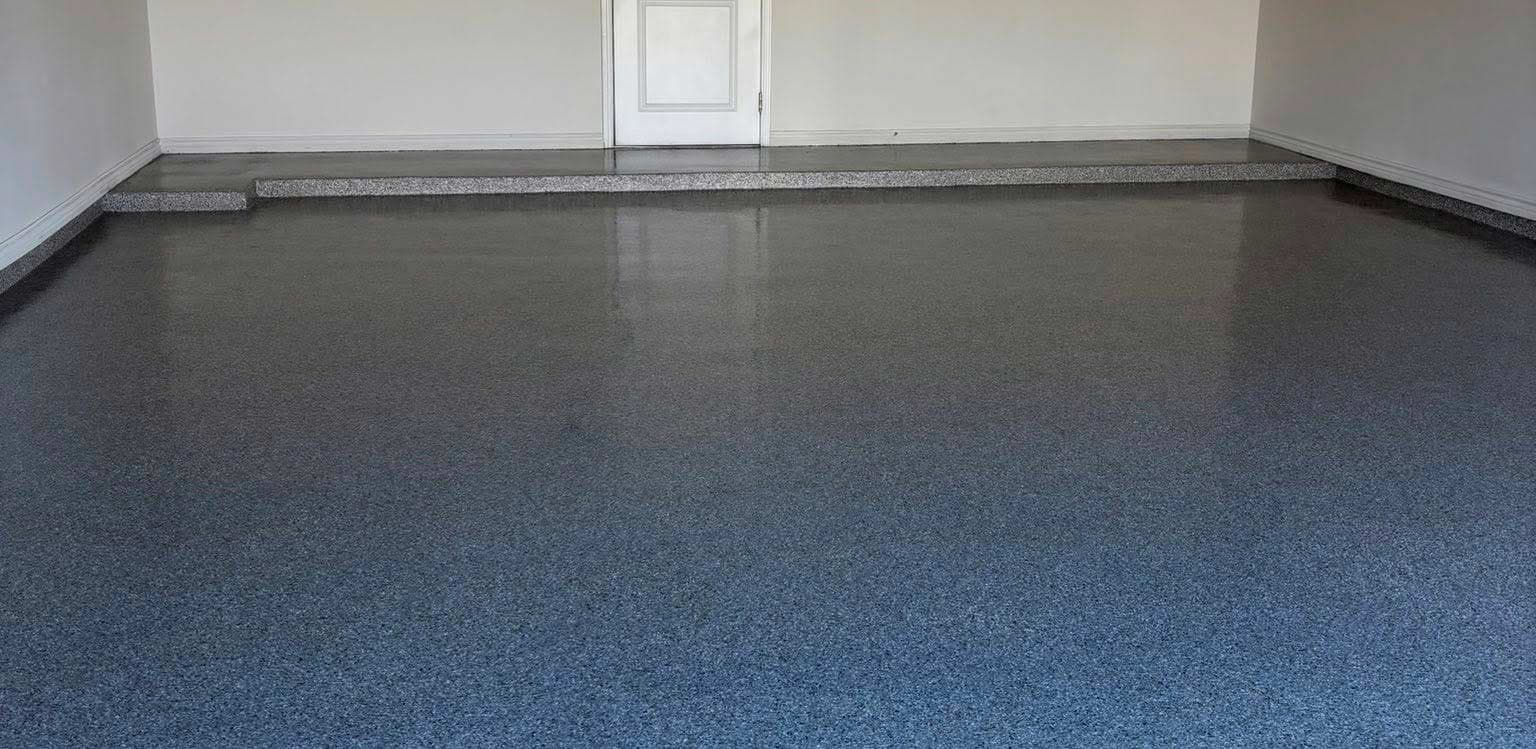
Using a complete multi-layer coating system instead of a single coating dramatically improves long-term durability. Moisture-tolerant basecoats help prevent outgassing, decorative vinyl flakes add texture and hide minor imperfections, while UV-resistant polyaspartic topcoats provide excellent protection against sunlight, chemicals, abrasion, and daily vehicle traffic.

PLANNING FOR LOCAL CONDITIONS
- Winter moisture and seasonal changes
- Ensure coatings handle heavy use and occasional chemical spills
For garages exposed to snow, salt, or chemical cleaners, a multi-layer system with moisture mitigation and UV resistance is highly recommended.
Not every garage floor requires the same coating system. Contractors should evaluate how the space will be used before selecting materials. A residential garage used only for parking has different performance requirements than a workshop with heavy equipment, tool storage, or frequent chemical exposure. Matching the coating system to the environment significantly improves long-term performance.
HOW TO KEEP A GARAGE FLOOR COATING LOOKING NEW
Even the highest-quality garage floor coating benefits from routine maintenance. Fortunately, maintaining a coated floor requires very little effort.
To maximize the life of your floor:
- Sweep dust and debris regularly.
- Clean oil or chemical spills promptly.
- Use a pH-neutral cleaner for routine washing.
- Avoid dragging heavy metal equipment across the surface.
- Inspect the floor periodically for minor damage before it becomes a larger repair.
Simple maintenance habits help preserve gloss, reduce wear, and keep garage floors looking professionally installed for years.
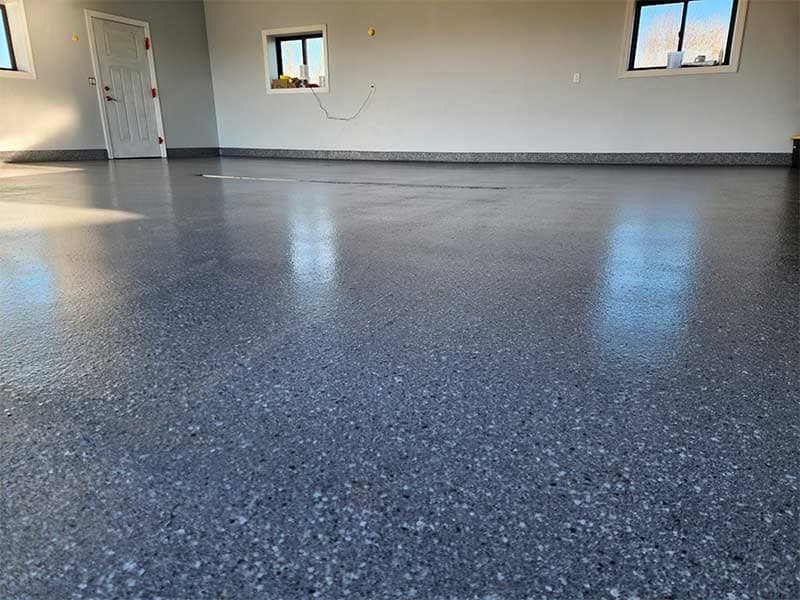
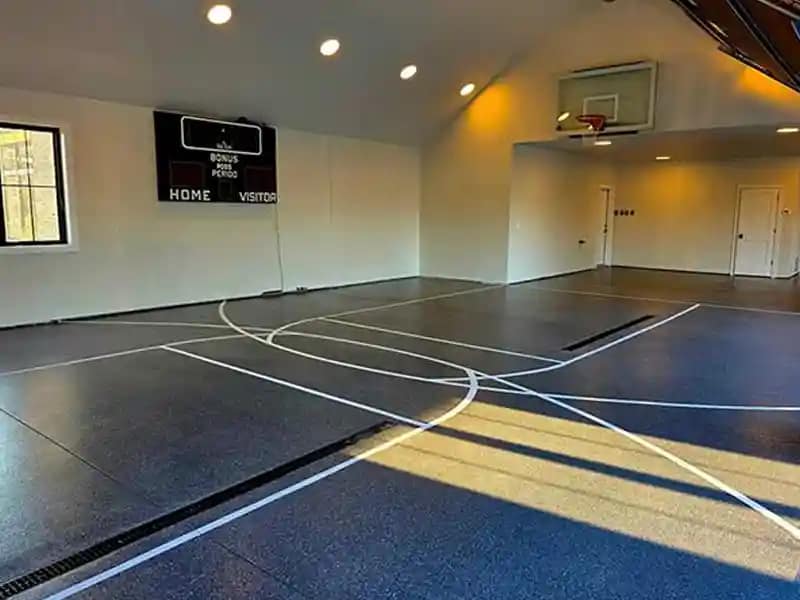
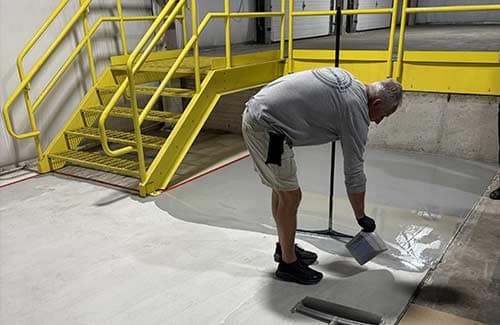
Moisture-tolerant base + UV-resistant topcoat held up under heavy foot and vehicle traffic.
- Garage floor coatings are an investment, not just an upgrade
- Proper preparation and the right system prevent costly failures
- Local conditions must be factored into every project
- Long-lasting results increase property value and satisfaction
Frequently Asked Questions
How long does a garage floor coating last?
A professionally installed garage floor coating can last 10–20 years or longer, depending on the coating system, surface preparation, traffic levels, and routine maintenance.
What is the best garage floor coating for residential garages?
The best system depends on the garage’s intended use. Polyurea basecoats combined with UV-resistant polyaspartic topcoats are popular because they offer excellent adhesion, fast curing, superior durability, and long-term protection against stains, chemicals, and daily vehicle traffic.
Can garage floor coatings be applied over damaged concrete?
Yes. However, cracks, pitting, and surface imperfections should be repaired before installation. Proper concrete preparation ensures better adhesion and helps prevent future coating failure.
How soon can a garage floor be used after coating?
Most polyaspartic coating systems allow light foot traffic within a few hours and vehicle traffic in about 24 hours, although curing times vary depending on temperature and humidity.
How do I maintain a garage floor coating?
Routine maintenance is simple. Sweep away dirt regularly, clean spills promptly, and wash the floor occasionally with a pH-neutral cleaner. Avoid dragging heavy metal objects across the surface to help preserve the coating’s appearance and performance.
Why is surface preparation so important before applying a garage floor coating?
Surface preparation creates the proper bond between the concrete and the coating system. Grinding the concrete, repairing cracks, and testing for moisture help prevent peeling, bubbling, and premature coating failure, ensuring a durable, long-lasting finish.
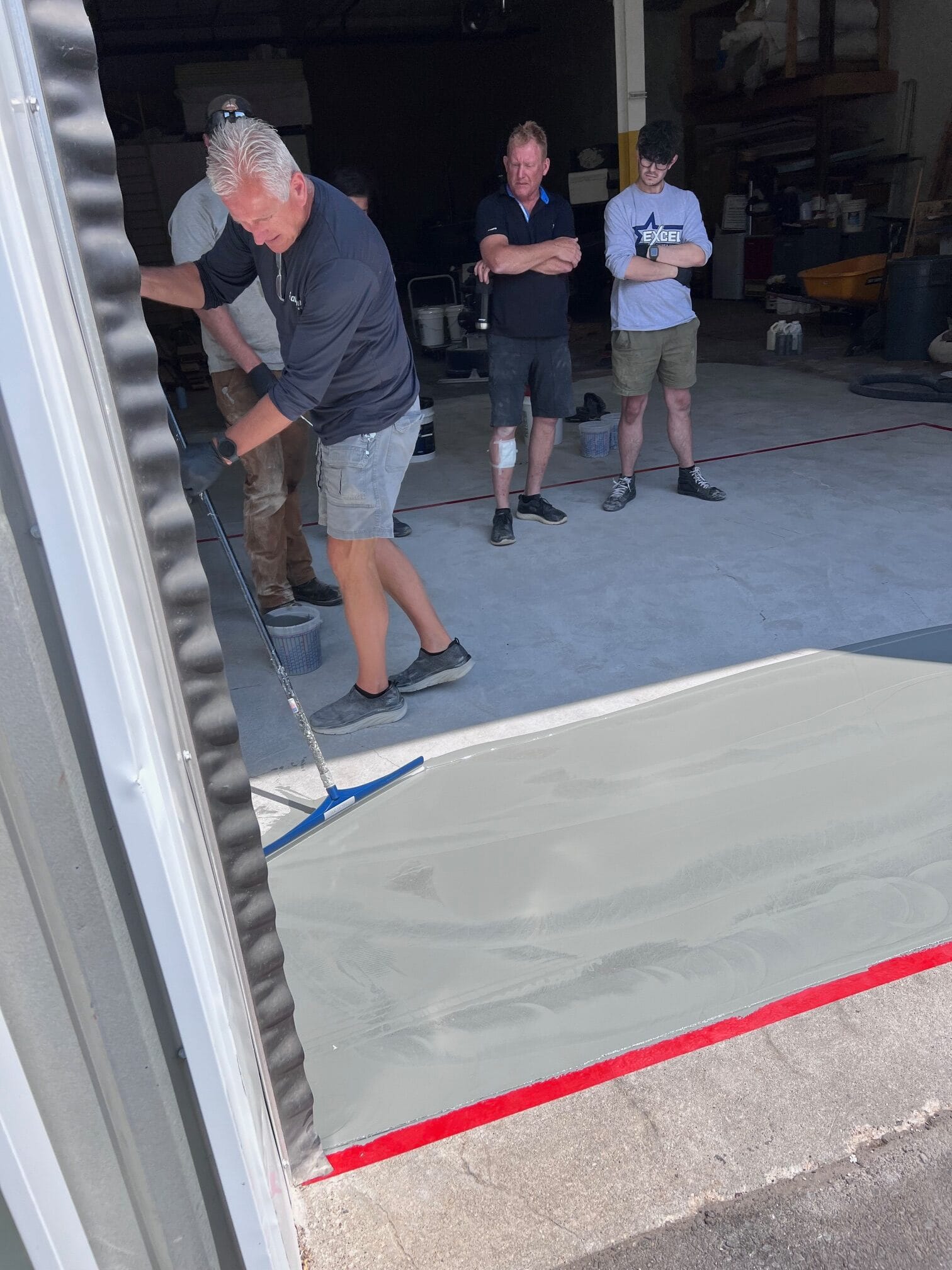
Planning ahead, choosing materials designed for seasonal weather, and considering safety features like anti-slip finishes can save time and money in the long run.
High-quality materials and proper systems guarantee floors that are durable, beautiful, and low-maintenance. Choosing the right solution from the start ensures the investment lasts for years, avoiding peeling, cracking, or fading.
Our team can recommend the best system for your garage, including moisture-tolerant bases, UV-resistant topcoats, and decorative finishes, so every project stands lo the test of time.
Contractors, call Allsource Supply today at 833-663-4255 to find the right garage floor coating system and ensure flawless, long-lasting results.