

Pricing a concrete coating job accurately is essential for contractors who want to remain competitive while protecting their profit margins. A quote that is too high can cost you the project, while an estimate that overlooks materials, labor, or equipment expenses can reduce your earnings.
Whether you’re coating a residential garage, commercial showroom, warehouse, or industrial floor, every project requires careful planning before you provide a final price.
In this guide, we’ll explain the main costs contractors should consider when pricing a concrete coating job, how to prepare a more accurate estimate, and how to avoid common pricing mistakes.
1. Calculate the Total Floor Area
Start by measuring the concrete surface that needs coating. Accurate measurements help you determine material requirements and estimate the time needed to complete the project.
For rectangular floors, use this formula:
Floor area = Length × Width
For example, a garage measuring 20 feet by 24 feet has a total area of 480 square feet.
For irregularly shaped spaces, divide the floor into smaller sections, calculate each area separately, and add the measurements together.
Remember to account for additional areas such as steps, edges, or vertical surfaces when they are included in the scope of work.
2. Calculate Concrete Coating Material Costs
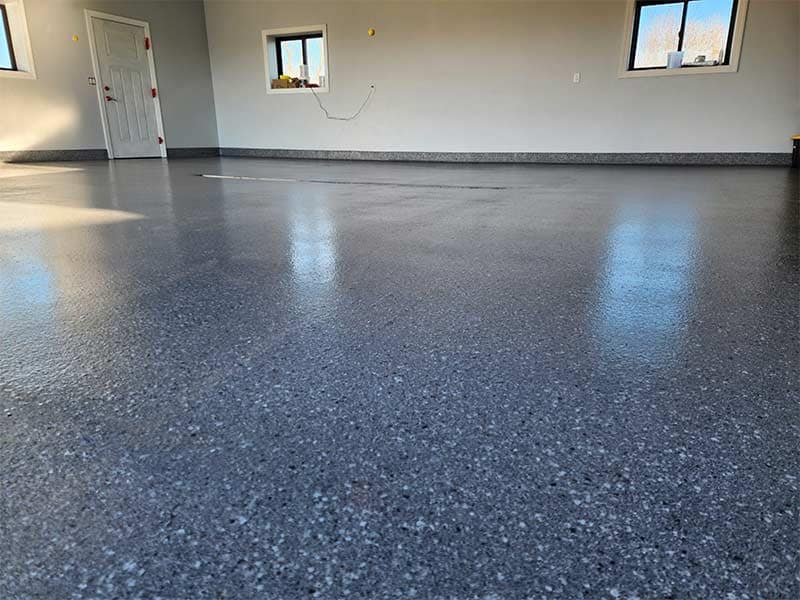
Materials are one of the most important parts of a concrete coating estimate. Depending on the selected system, a project may require primer, basecoat, decorative flakes, topcoat, repair products, and application supplies.
Each product has its own coverage rate, packaging size, and application requirements.
Before calculating quantities, review the manufacturer’s technical data sheets and determine the coverage rate for every layer.
For example, AllSource Supply’s Hardbond Polyurea Basecoat has a theoretical coverage rate of approximately 150–200 square feet per gallon at an 8-mil coating thickness.
Actual material requirements can vary depending on the concrete condition, application thickness, and installation conditions.
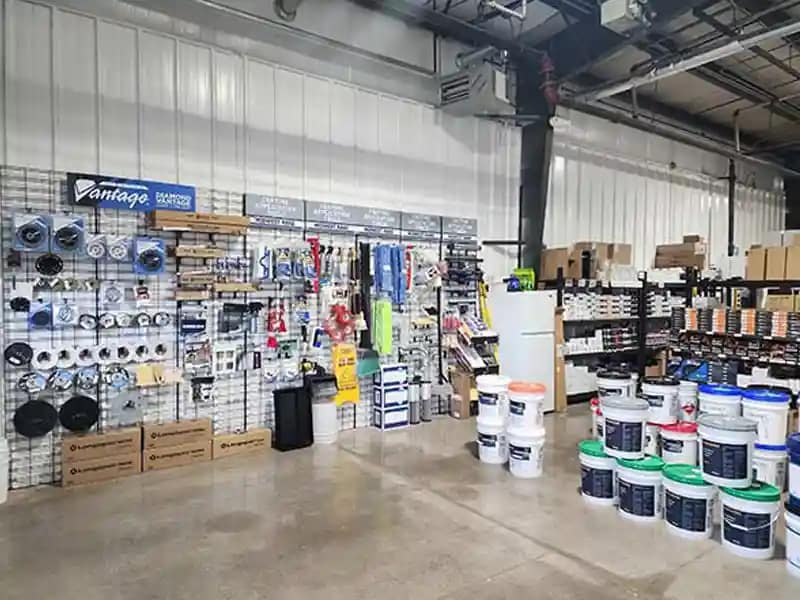
Explore professional concrete coating products to review available epoxy, polyurea, and polyaspartic options.
When preparing your estimate, calculate each layer separately rather than treating the entire coating system as one product.
3. Include Surface Preparation and Repair Costs
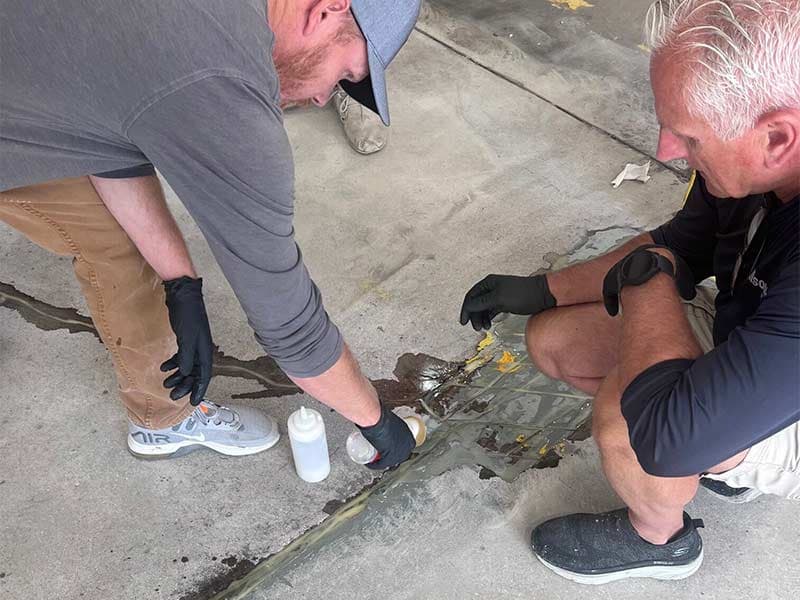
Surface preparation can significantly affect the cost of a concrete coating project. Contractors should inspect the floor before providing a final quote.
Depending on the condition of the concrete, preparation may involve:
- Diamond grinding and surface profiling
- Removing existing coatings or contaminants
- Crack and joint repairs
- Filling surface imperfections
- Dust collection and cleanup
- Moisture testing when required
A floor with extensive damage or an existing coating that needs removal may require additional labor, equipment, and materials.
Proper preparation is essential for coating adhesion and long-term performance. Contractors can review this guide to concrete coating surface preparation and moisture testing when planning their work.
4. Account for Labor Costs
Labor is another major component of a concrete coating estimate. The time required to complete a project depends on the floor size, surface condition, coating system, number of layers, and crew experience.
When calculating labor costs, consider all stages of the installation:
- Initial inspection and measurements
- Moving or protecting items in the work area
- Surface preparation
- Concrete repairs
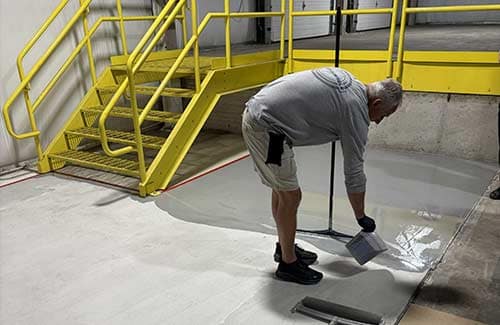
- Mixing and applying coating materials
- Decorative flake application, if required
- Topcoat application
- Final cleanup and inspection
Don’t estimate labor based only on the time spent applying the coating. Preparation, repairs, setup, and cleanup also require time.
For larger commercial projects, additional crew members or specialized installation procedures may be necessary.
5. Factor in Equipment and Jobsite Expenses
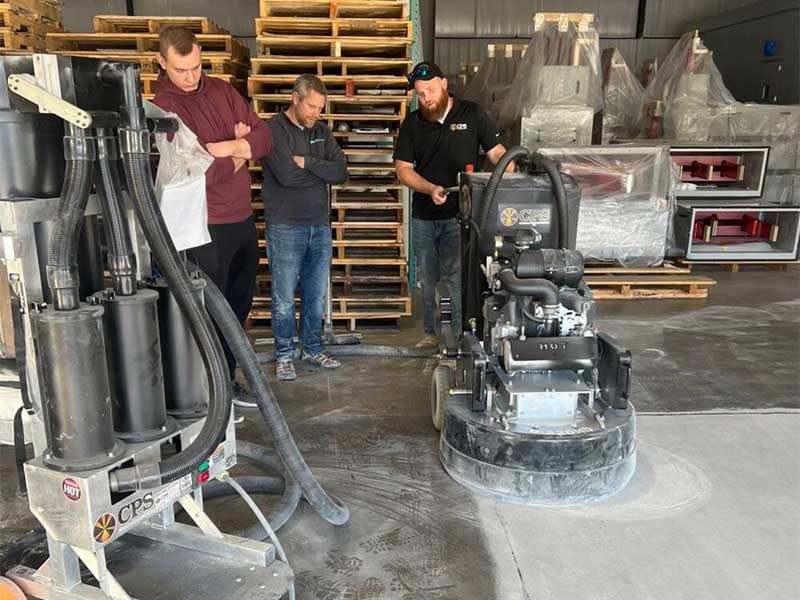
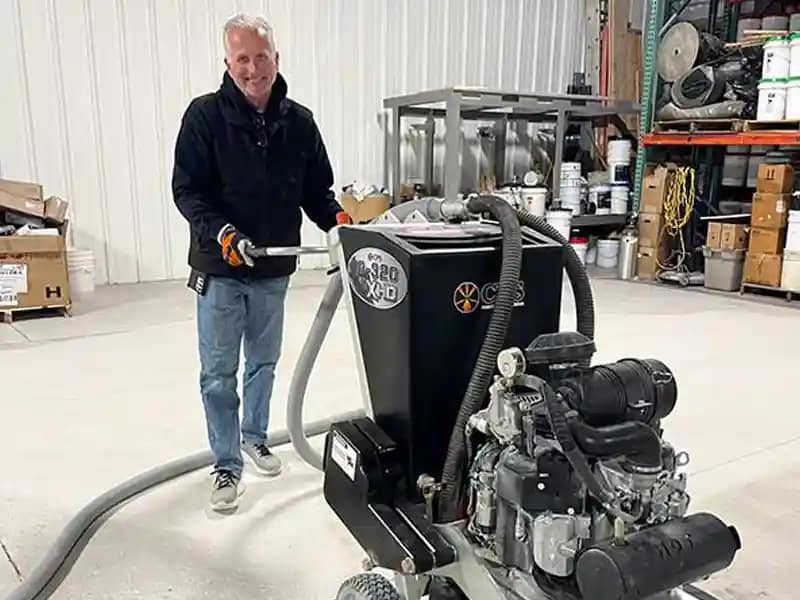
Equipment costs should be included in every professional estimate. Depending on the project, contractors may need floor grinders, handheld grinders, dust extractors, diamond tooling, mixing equipment, rollers, squeegees, and other application tools.
If you own the equipment, consider maintenance, replacement parts, wear, and operating costs. If you rent equipment, include rental charges and any related transportation expenses.
AllSource Supply provides a range of concrete coating equipment and jobsite supplies to support professional flooring installations.
For contractors who do not want to purchase every specialized tool, AllSource equipment rental services may also be worth exploring.
6. Choose the Right Coating System for the Project
Not every concrete floor requires the same coating system. The correct choice depends on the environment, expected traffic, exposure to chemicals, appearance requirements, and project specifications.
For example:
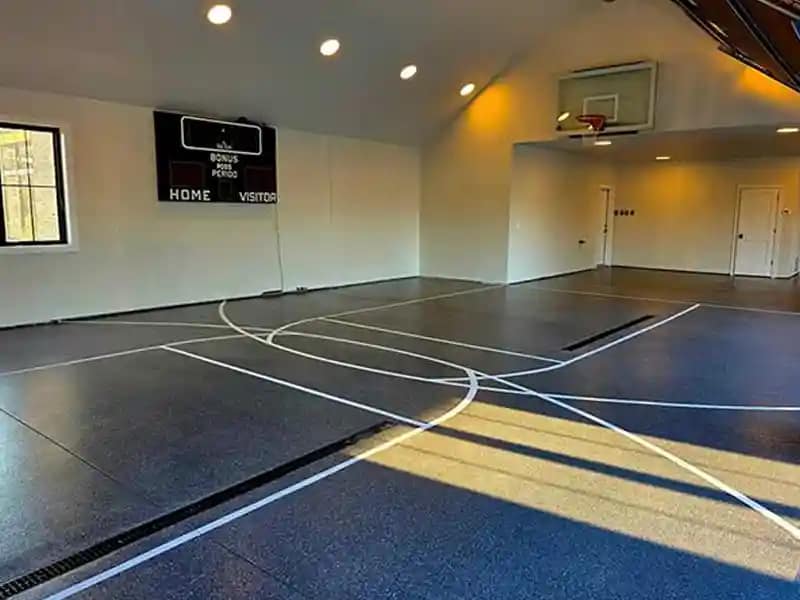
- Residential garages may require a decorative flake system.
- Commercial showrooms may need an attractive, durable finish.
- Warehouses may require flooring designed for regular equipment and vehicle traffic.
- Industrial facilities may need systems selected for their specific operating conditions.
AllSource Supply offers commercial floor coating products for applications such as warehouses, manufacturing facilities, automotive shops, and showrooms.
Contractors should consider the complete system rather than selecting a product based on price alone. The coating must be suitable for the concrete and intended use.
7. Include Overhead and Profit
After calculating materials, labor, equipment, and other direct project expenses, account for business overhead.
Overhead can include:
- Insurance and business expenses
- Vehicle and transportation costs
- Equipment maintenance
- Marketing and administrative expenses
- Storage and facility costs
Once you have calculated your total project cost, add your desired profit margin.
For example, if your total estimated project cost is $2,000 and you want a 30% gross profit margin, use this formula:
Selling price = Total cost ÷ (1 − Desired profit margin)
$2,000 ÷ 0.70 = $2,857.14
Your estimated selling price would be approximately $2,857 before any applicable taxes or additional charges.
Remember that a 30% markup is not the same as a 30% profit margin. Using the correct formula helps contractors price jobs more accurately.
8. Prepare a Clear and Detailed Customer Quote
A professional quote should explain what the customer is paying for and what the project includes.
Before sending your estimate, make sure it covers:
- Total square footage
- Selected coating system
- Material quantities and costs
- Surface preparation requirements
- Concrete repair work
- Labor and equipment expenses
- Project scope and exclusions
- Estimated installation schedule
- Payment terms and warranty conditions, where applicable
A clear quote helps customers understand the value of the work and reduces misunderstandings during installation.
For projects involving unusual floor conditions or specialized coating systems, contractors can also explore AllSource Supply’s floor coating consulting services for additional project guidance.
Common Pricing Mistakes Contractors Should Avoid
Even experienced contractors can overlook important expenses when preparing estimates. Some common mistakes include:
- Measuring the floor inaccurately
- Underestimating coating and repair material quantities
- Ignoring surface preparation requirements
- Forgetting equipment rental and maintenance costs
- Underestimating labor hours
- Failing to account for business overhead
- Pricing jobs based only on competitor quotes
Taking the time to evaluate the entire project helps contractors avoid unexpected expenses and maintain more consistent profit margins.
Get the Right Concrete Coating Products and Equipment
Accurate pricing starts with understanding the complete scope of a concrete flooring project. By accounting for materials, preparation, labor, equipment, overhead, and profit, contractors can prepare competitive quotes without overlooking important costs.
AllSource Supply provides professional-grade concrete coatings, repair products, decorative flakes, equipment, and jobsite supplies for concrete flooring professionals.
Whether you’re preparing a residential garage coating estimate or planning a larger commercial installation, having the right materials and equipment can help you approach the project with confidence.
Explore AllSource Supply’s complete product selection or contact the team to discuss your project requirements.
Call 833-663-4255 to get started.
Frequently Asked Questions
How do contractors calculate the price of a concrete coating job?
Contractors should calculate material, labor, surface preparation, equipment, overhead, and profit. The final price should reflect the complete scope of work rather than just the cost of the coating product.
What factors affect concrete floor coating costs?
Floor size, concrete condition, coating system, preparation requirements, material coverage, labor hours, equipment needs, and project complexity all influence the final price.
Should surface preparation be included in a concrete coating quote?
Yes. Grinding, repairs, cleaning, and moisture testing when required should be considered during estimating. The amount of preparation needed depends on the existing concrete condition and coating specifications.
How much profit should a concrete coating contractor make?
There is no single profit margin that works for every contractor. Pricing should account for operating expenses, market conditions, project risks, and the level of profit needed to run a sustainable business.
Why should contractors calculate equipment costs separately?
Equipment involves more than its purchase price. Maintenance, wear, replacement parts, rental charges, transportation, and operating expenses can all affect project profitability.