
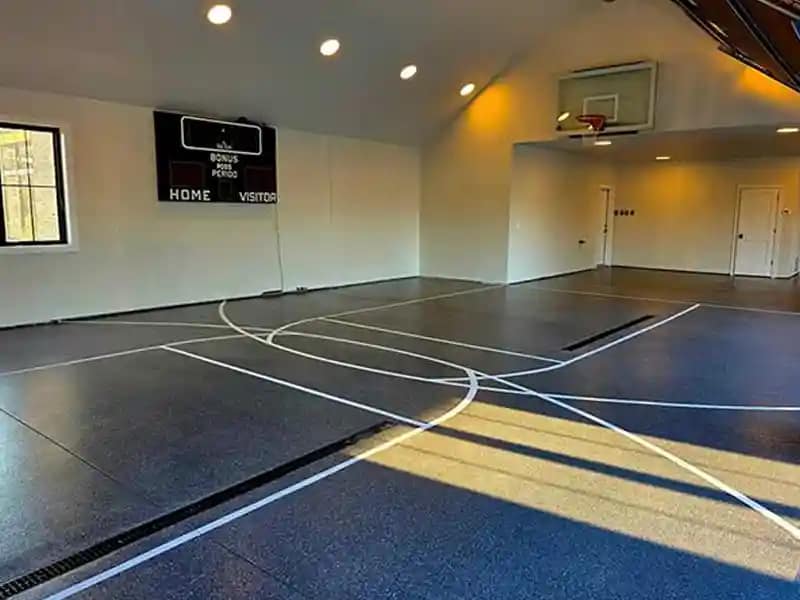

Estimating concrete coating materials correctly is essential for contractors who want to control costs, reduce waste, and complete flooring projects efficiently. Ordering too little material can delay installation, while ordering too much can increase project expenses and leave contractors with unused products.
Whether you’re coating a residential garage, commercial showroom, warehouse, or industrial floor, understanding the factors that affect material coverage helps you prepare a more accurate estimate.
In this guide, we’ll explain how to calculate floor area, estimate coating quantities, account for surface conditions, and choose the right supplies for your next concrete flooring project.
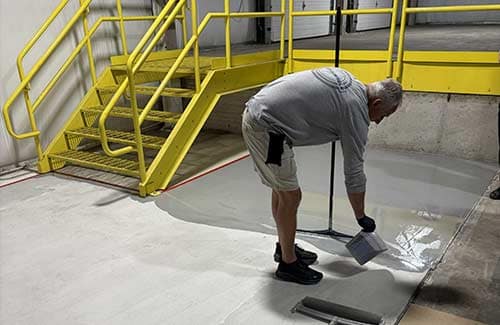
1. Calculate the Total Concrete Floor Area
The first step is determining how much concrete needs to be coated. Accurate measurements provide the foundation for estimating material quantities.
For a rectangular or square floor, multiply the length by the width.
Formula:
Floor area = Length × Width
For example, if a garage measures 20 feet long and 24 feet wide:
20 × 24 = 480 square feet
Your total coating area is 480 square feet.
For L-shaped floors or areas with multiple sections, measure each section separately and add the results together. Remember to account for steps, edges, vertical surfaces, or other areas that require coating if they are included in the project.
2. Check the Coverage Rate of Your Concrete Coating
Once you know the floor area, check the manufacturer’s technical data sheet for the selected coating. Coverage rates vary depending on the product, application thickness, surface porosity, and installation conditions.
For example, the technical data sheet for Hardbond Polyurea Basecoat lists theoretical coverage of approximately 150–200 square feet per gallon at an 8-mil coating thickness.
This is a product-specific example, not a universal coverage rate for every coating or complete floor system.
For estimating purposes, you can use the following formula:
Estimated gallons = Total square footage ÷ Coverage per gallon
Using a 480-square-foot garage and an assumed coverage rate of 175 square feet per gallon:
480 ÷ 175 = 2.74 gallons
This means the calculated theoretical requirement is approximately 2.74 gallons for that coating layer. The actual order quantity may be higher because of surface porosity, application losses, and other job-specific factors.
Always use the coverage rate specified for your selected product and intended application thickness.
3. Account for Every Layer in the Coating System
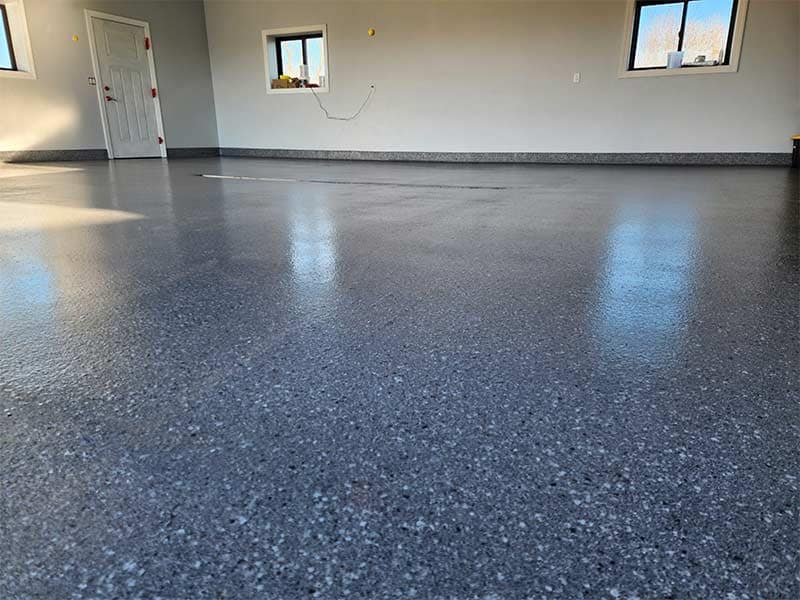
A complete concrete floor coating system may include several materials rather than one product. Depending on the project, these can include a primer, basecoat, decorative flakes, and a protective topcoat.
AllSource Supply offers different concrete floor coating products for residential and commercial applications.
When preparing an estimate, calculate each layer separately. Different products can have different coverage rates, mixing requirements, and application thicknesses.
For example, a decorative flake floor may require:
- A primer, if specified for the system
- A polyurea basecoat
- Decorative flakes
- A polyaspartic topcoat
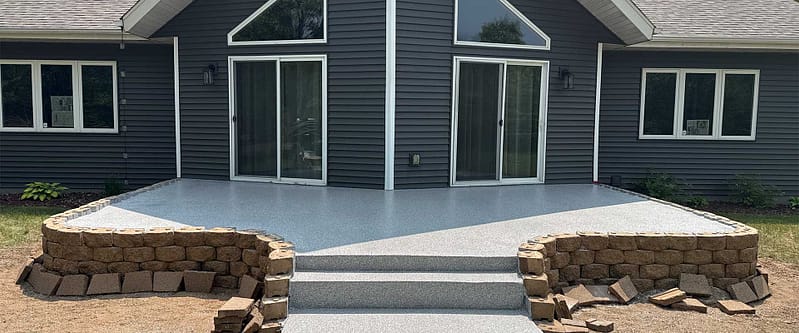
The AllSource Decorative Flake System explains the main components of this type of flooring system.
Do not calculate the entire project’s material requirements using the coverage rate of the basecoat alone. Check the technical data sheets for each product and follow the system manufacturer’s application instructions.
4. Consider Concrete Condition and Surface Preparation
Two floors with the same square footage may require different quantities of material because their concrete surfaces are not in the same condition.
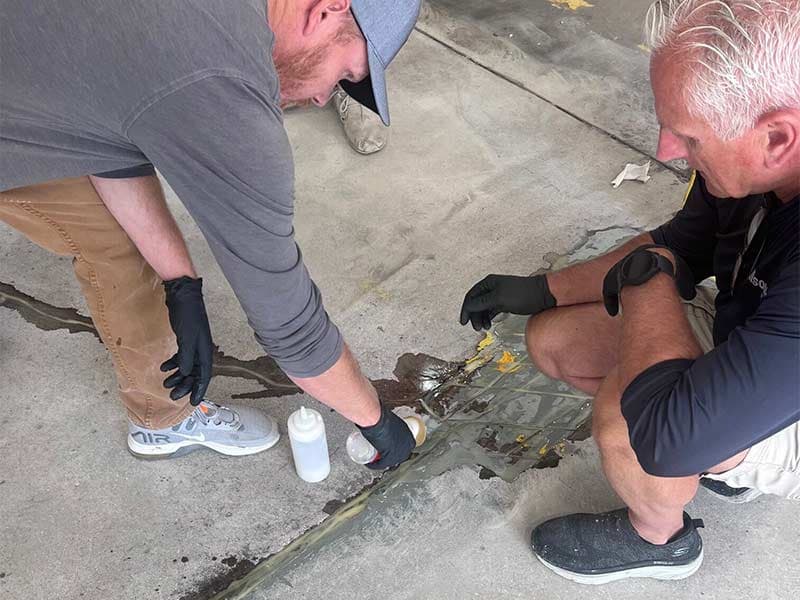
Rough, porous, or heavily damaged concrete can consume more material than a smooth, properly prepared surface. Cracks, pits, spalled areas, and other defects may also require separate repair products before coating begins.
Before finalizing your estimate, inspect the floor for:
- Cracks, chips, and surface damage
- Existing coatings or sealers
- Oil, grease, and other contaminants
- Uneven or heavily textured areas
- Moisture concerns that could affect coating performance
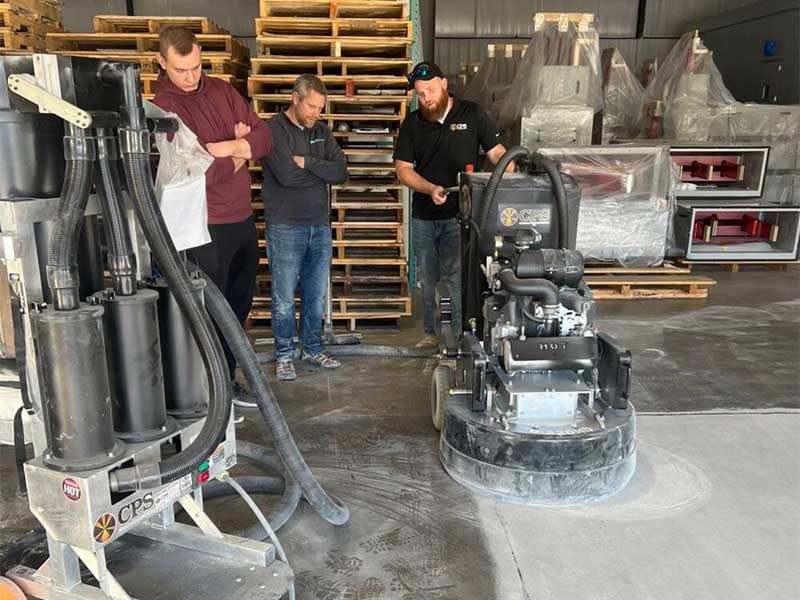
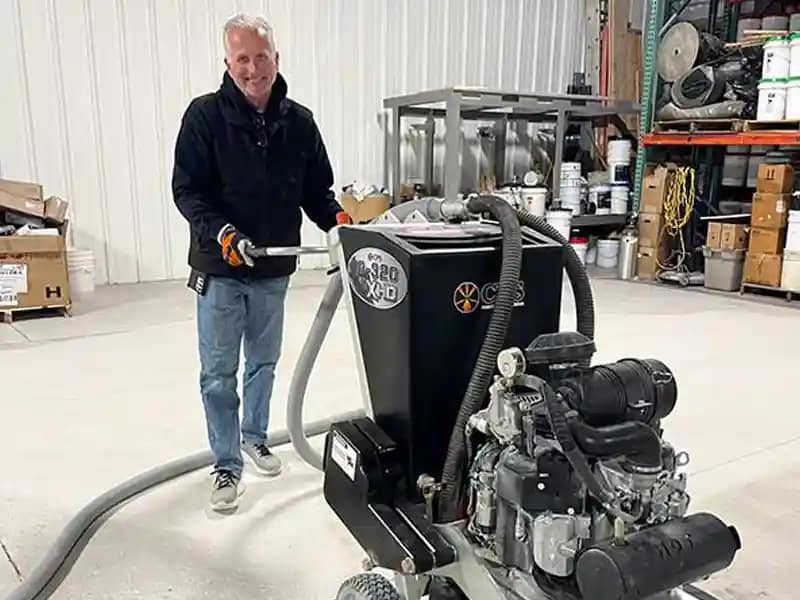
Proper preparation is essential for coating adhesion and long-term performance. Depending on the condition of the concrete, contractors may need grinding equipment, diamond tooling, dust extraction equipment, and repair materials.
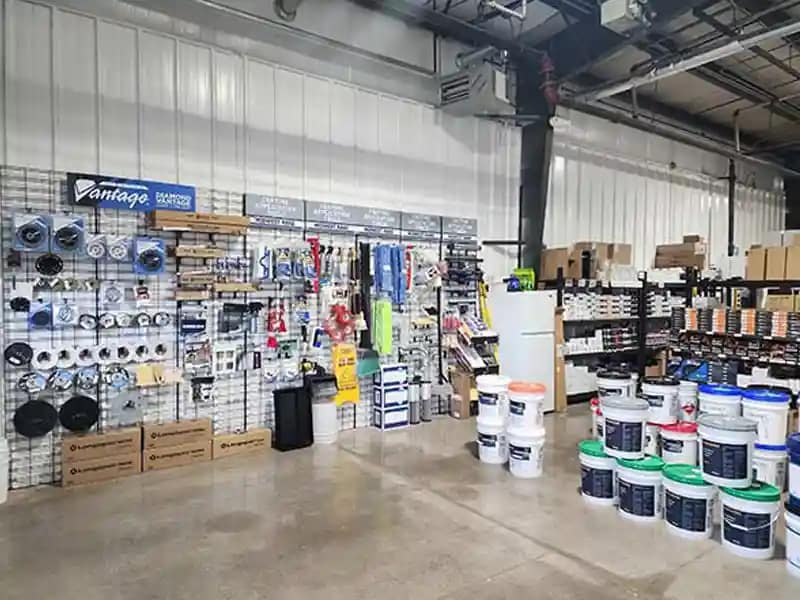
Explore concrete coating equipment and jobsite supplies to identify tools that may be required for your project.
5. Include Decorative Flakes and Additional Supplies
For decorative chip floors, coating materials are only part of the estimate. You may also need decorative flakes, rollers, squeegees, mixing containers, spike shoes, and other application supplies.
The quantity of decorative flakes depends on the system specifications, desired appearance, and broadcast method. A full-broadcast system will require a different amount of flake than a lighter decorative application.
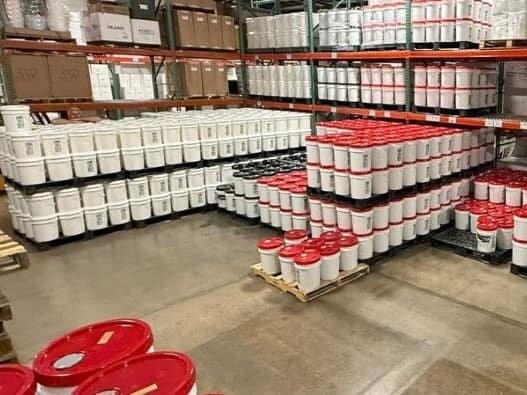
Browse decorative flake products to review available color blends and options for your flooring project.
It is also important to include repair materials where needed. Estimating these separately helps you avoid underordering and keeps the project budget more realistic.
You can review additional concrete coating products and supplies when preparing your material list.
6. Add a Reasonable Allowance for Waste
Theoretical coverage calculations assume ideal conditions. Actual installations can require additional material because of surface texture, product remaining in containers, application technique, and other job-specific factors.
After calculating the quantity for each coating layer, determine whether an additional allowance is appropriate.
For example, if your calculated requirement is 10 gallons and your project allowance is 10%, the estimate becomes:
10 × 1.10 = 11 gallons
The 10% figure is only an example, not a universal recommendation. Choose an allowance based on the product instructions, concrete condition, installer experience, and project requirements.
For larger projects, ordering should also account for packaging sizes, batch mixing requirements, and the consequences of running short during installation.
7. Prepare a Complete Material Estimate Before Ordering
Before placing an order, review your calculations and make sure the estimate covers the entire flooring system.
Your checklist should include:
- Total floor area in square feet
- Selected coating system and product specifications
- Coverage rate and application thickness for each layer
- Primer, basecoat, and topcoat quantities
- Decorative flakes or other broadcast materials
- Concrete repair products
- Surface preparation equipment and consumables
- Application tools and jobsite supplies
- Appropriate allowance for waste
A complete estimate helps contractors manage material costs, prepare accurate customer quotes, and reduce unnecessary trips to obtain additional supplies.
If you need help identifying the products and equipment required for your project, AllSource Supply’s concrete coating product selection is a useful starting point.
Get the Right Concrete Coating Supplies for Your Next Project
Accurate material estimating starts with careful measurements, product-specific coverage rates, and a clear understanding of the concrete’s condition. By calculating each coating layer separately and accounting for repairs, decorative materials, and application supplies, contractors can prepare more reliable estimates and avoid unnecessary material costs.
AllSource Supply provides professional-grade concrete coating products, repair materials, decorative flakes, and equipment for concrete flooring professionals.
Planning your next concrete coating project? Explore AllSource Supply’s complete product selection or contact the team for help finding the right materials for your application.
Call 833-663-4255 to discuss your project requirements.
Frequently Asked Questions
How do you calculate concrete coating material requirements?
Measure the total floor area and divide it by the selected product’s stated coverage rate. Calculate each layer separately and adjust for the actual concrete condition and application requirements.
How much concrete coating do I need for a 500-square-foot floor?
The quantity depends on the selected coating and its coverage rate. For example, at a theoretical rate of 175 square feet per gallon, a 500-square-foot floor would require approximately 2.86 gallons for that single layer before any additional allowance. Other layers must be calculated separately.
Does rough concrete require more coating material?
It can. Rough or porous concrete may consume more material than a smooth surface. Proper preparation and following the product’s technical data sheet help contractors produce more reliable estimates.
Should I include primer and topcoat in my material estimate?
Yes, when the selected coating system calls for them. Calculate the quantity for every required layer using its own coverage rate rather than estimating the entire system from one product.
Why should contractors check technical data sheets before ordering?
Technical data sheets provide product-specific information such as coverage, mixing ratios, application thickness, and installation requirements. Using the correct specifications helps prevent underordering and application problems.