


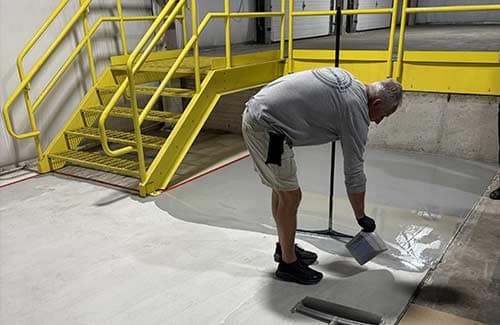
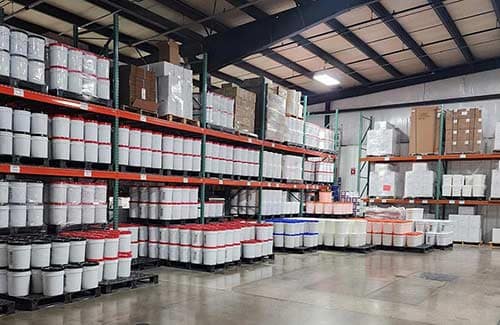

Wisconsin contractors face challenges that concrete coating professionals in warmer climates may not experience in the same way. Cold winters, changing temperatures, snow, road salt, moisture, and humid summer conditions can all affect concrete floors and the decisions contractors make before installing a coating system.
Choosing the right concrete floor coating is not simply about selecting epoxy, polyurea, or polyaspartic.
The right system depends on the condition of the concrete, the environment, the expected traffic, moisture conditions, and how the finished floor will be used.
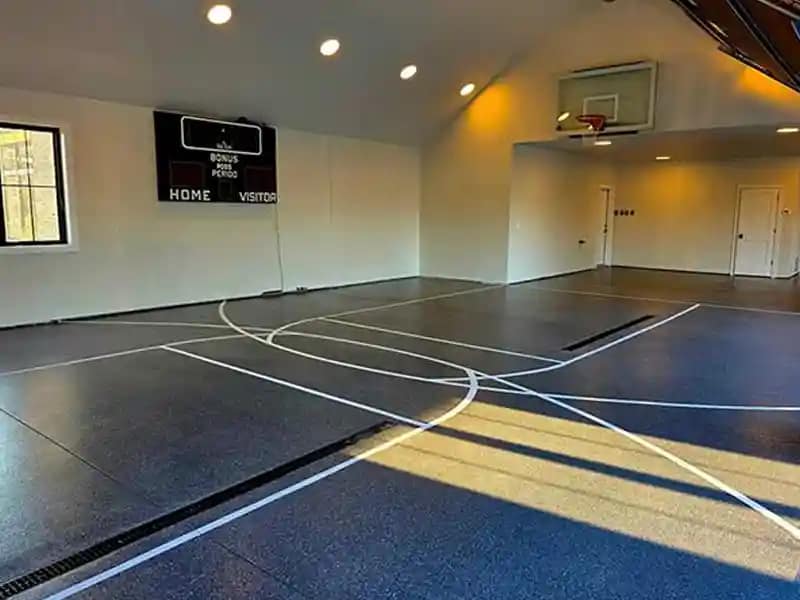
A residential garage in Appleton, WI, , may be exposed to snow, water, road salt, hot tires, and repeated freeze-and-thaw conditions throughout the year. A commercial warehouse may face heavy equipment and constant traffic. A showroom may prioritize appearance and UV resistance.
That is why successful concrete coating projects start with understanding the entire job—not just choosing a product.
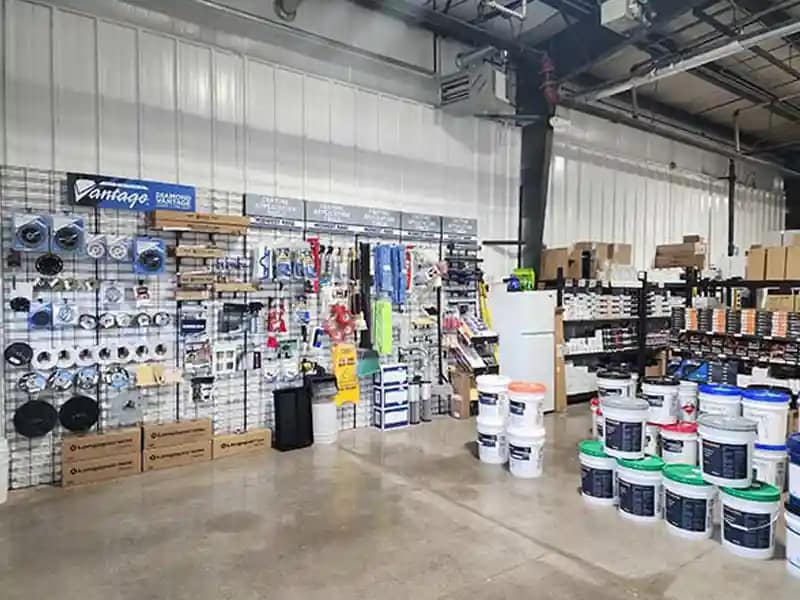
At AllSource Supply Inc. in Oshkosh, Wisconsin, we work with concrete coating professionals by providing products, equipment, training, and practical support for a variety of concrete flooring applications.
This guide explains what Wisconsin contractors should consider when choosing a concrete floor coating system and how climate, temperature, and moisture can affect the final result.
WHY WISCONSIN’S CLIMATE MATTERS FOR CONCRETE FLOOR COATINGS
Wisconsin experiences significant seasonal changes throughout the year.
A concrete floor may experience very different conditions during winter than it does during summer. Those environmental changes can influence both the installation process and the demands placed on the finished flooring system.
Before choosing a concrete coating, contractors should consider:
- Current and expected temperatures
- Concrete surface temperature
- Moisture conditions within the slab
- Humidity
- Seasonal changes
- Vehicle and equipment traffic
- Chemical exposure
- Road salt and de-icing materials
- UV exposure
- Required return-to-service time
These factors can influence which products and flooring systems are appropriate for a particular project.
THE MOST IMPORTANT RULE: START WITH THE JOB CONDITIONS
There is no single concrete coating that is automatically the best choice for every Wisconsin project.
Instead, professional contractors should start by asking:
What conditions will this floor experience before, during, and after installation?
That question helps guide better decisions about surface preparation, product selection, and the complete coating system.
START WITH THE CONCRETE, NOT THE COATING
One of the most common mistakes in concrete coating projects is focusing on the final coating before properly evaluating the concrete underneath it.
Concrete may appear clean and dry while still having conditions that can affect coating performance.
Before recommending a system, contractors should inspect the concrete for:
- Cracks and damaged areas
- Oil and chemical contamination
- Existing coatings
- Weak or deteriorating concrete
- Surface irregularities
- Moisture concerns
- Previous repairs
- Areas of poor adhesion
A premium coating cannot always compensate for poor concrete preparation.
WHY SURFACE PREPARATION MATTERS
Proper surface preparation creates the foundation for a successful flooring system.
Depending on the condition of the concrete and the coating being installed, preparation may involve:
- Mechanical grinding
- Shot blasting
- Crack repair
- Removing contaminants
- Removing existing coatings
- Creating the appropriate surface profile
- Thorough dust removal
Skipping preparation steps can increase the risk of problems such as:
- Poor adhesion
- Peeling
- Delamination
- Bubbling
- Premature coating failure
The coating system is only as good as the surface it is installed on.
For contractors, this is one of the most important lessons to remember when selecting concrete floor coatings for Wisconsin projects.
MOISTURE: THE HIDDEN CHALLENGE UNDER CONCRETE FLOORS
Moisture is one of the most important factors contractors should evaluate before installing a concrete coating.
A slab can look completely dry while moisture vapor remains beneath the surface.
That moisture can potentially affect adhesion and contribute to flooring problems if it is not properly evaluated before installation.
COMMON SIGNS OF MOISTURE-RELATED COATING PROBLEMS
Moisture-related issues can contribute to:
- Blistering
- Bubbling
- Peeling
- Delamination
- Discoloration
- Adhesion failure
This is why contractors should avoid relying only on visual inspection.
Professional moisture evaluation can help contractors better understand the condition of the slab before selecting a flooring system.
FOLLOW THE PRODUCT’S TECHNICAL REQUIREMENTS
Different coating products can have different moisture limitations and application requirements.
There is no universal moisture number that applies to every concrete coating system.
Contractors should always review the current:
- Technical Data Sheet
- Safety Data Sheet
- Manufacturer recommendations
- Moisture testing requirements
before beginning installation.
If elevated moisture conditions are present, the project may require an appropriate moisture-mitigation solution as part of the complete flooring system.
WISCONSIN GARAGES FACE UNIQUE FLOORING CHALLENGES
Garage floor coatings are popular throughout Wisconsin, but garages can be demanding environments.
During winter, vehicles may bring snow, water, slush, dirt, and road salt into the garage.
Throughout the year, floors may also experience:
- Vehicle traffic
- Automotive fluids
- Hot tires
- Abrasion
- Impact
- Temperature changes
Because of these conditions, contractors should select a complete system designed around how the garage will actually be used.
DECORATIVE FLAKE FLOORING SYSTEMS
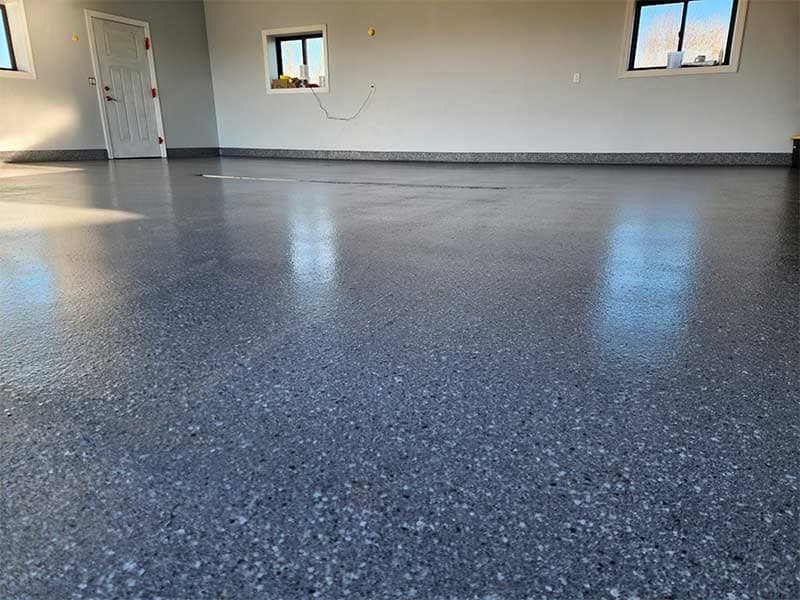
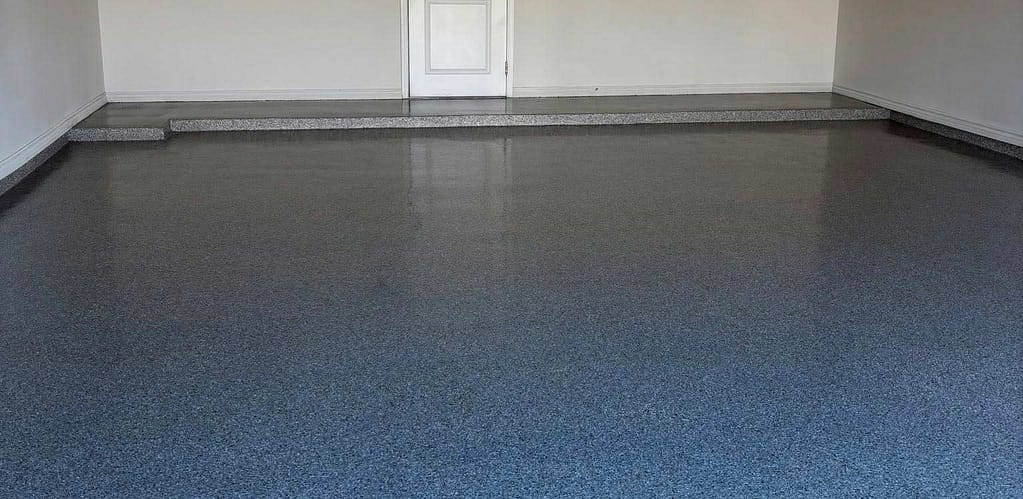
Decorative flake systems are a popular choice for residential garages because they combine durability with visual appeal.
A typical professionally installed system may include:
- Concrete evaluation and preparation
- Crack and surface repair
- A suitable base coat
- Decorative vinyl flakes
- A protective topcoat
The specific products should always be selected based on the requirements of the project.
A properly designed system can provide homeowners with an attractive and durable finished floor while giving contractors flexibility in color and design.
HOW TEMPERATURE AFFECTS CONCRETE COATING INSTALLATION
Temperature can significantly affect coating installation.
For Wisconsin contractors, this is especially important because jobsite conditions can change dramatically throughout the year.
Temperature may affect:
- Product viscosity
- Working time
- Cure time
- Application characteristics
- Recoat windows
Before beginning an installation, contractors should evaluate both current and expected conditions.
CHECK MORE THAN THE AIR TEMPERATURE
The air temperature alone does not always tell the complete story.
Contractors should also consider:
- Concrete surface temperature
- Indoor versus outdoor conditions
- Expected temperature changes
- Humidity
- Product-specific requirements
A floor may feel different from the surrounding air, especially in garages, warehouses, and large commercial spaces.
Following product-specific technical requirements is essential for successful installation.
Fast-curing products can improve efficiency, but fast installation should never mean skipping proper preparation or application procedures.
POLYASPARTIC FLOOR COATINGS FOR WISCONSIN PROJECTS
Polyaspartic coatings have become increasingly popular in professional concrete flooring systems.
Depending on the formulation and complete system design, polyaspartic products can offer benefits such as:
- Fast curing
- Efficient return-to-service times
- Abrasion resistance
- Chemical resistance
- UV stability
- Attractive finishes
- Durability for demanding environments
Polyaspartic products are commonly used as protective topcoats in systems for garages, commercial spaces, and other concrete flooring applications.
At AllSource Supply Inc., contractors can find professional flooring products designed for different project requirements, including Hardbond 3000 and Hardbond 4000 Polyaspartic Topcoats.
However, the key is selecting the right formulation and system for the specific environment.
THE RIGHT QUESTION TO ASK
Instead of asking:
“Is polyaspartic the best concrete coating?”
A better question is:
“Is this polyaspartic system appropriate for this concrete, environment, and application?”
That approach helps contractors make better decisions.
EPOXY VS. POLYUREA VS. POLYASPARTIC: WHICH SYSTEM IS RIGHT FOR WISCONSIN?
This is one of the most common questions contractors and property owners ask.
The honest answer is:
It depends on the project.
Each type of coating can have different characteristics and may be appropriate for different applications.
EPOXY COATINGS
Epoxy is commonly used in concrete flooring systems and can provide:
- Strong adhesion
- Decorative possibilities
- Durable finishes
- Different color options
- High-build applications
Epoxy can also be used in decorative systems, including metallic flooring applications.
POLYUREA COATINGS
Polyurea products are commonly used in professional concrete coating systems and may offer fast-curing characteristics and strong performance depending on the formulation.
They are often incorporated into multi-layer flooring systems.
POLYASPARTIC COATINGS
Polyaspartic products are frequently used as protective topcoats and can provide fast curing, durability, and UV stability depending on the specific product.
THE BEST SYSTEM DEPENDS ON:
- The condition of the concrete
- Moisture conditions
- Installation temperature
- Expected traffic
- Chemical exposure
- UV exposure
- Desired appearance
- Project timeline
- Manufacturer specifications
The best flooring system is the one designed for the actual conditions of the job.

ROAD SALT AND WINTER CONDITIONS:WHAT WISCONSIN CONTRACTORS SHOULD CONSIDER
Wisconsin winters can create demanding conditions for garage and commercial floors.
Vehicles can bring water, snow, slush, dirt, and de-icing materials onto concrete surfaces.
Contractors should consider how these conditions may affect the flooring system over time.
For garage projects, it is important to discuss realistic expectations with homeowners and recommend appropriate cleaning and maintenance practices.
A professional flooring system should be selected based on the environment, but maintenance also plays an important role in preserving the finished surface.
Property owners should understand how to:
- Remove accumulated dirt and debris
- Clean spills promptly
- Follow recommended cleaning procedures
- Avoid damaging cleaning products
- Maintain the appearance of the finished floor
Educating customers helps contractors provide more value beyond the installation itself.
UV EXPOSURE AND CONCRETE FLOOR COATINGS
Sunlight is another factor that should be considered when choosing a flooring system.
Some areas may receive significant UV exposure, including:
- Garages with frequently open doors
- Commercial entrances
- Showrooms
- Facilities with large windows
Depending on the coating formulation, UV exposure may affect the long-term appearance of certain products.
Contractors should evaluate sunlight exposure as part of the overall project assessment and select appropriate products for the environment.
COMMERCIAL AND INDUSTRIAL FLOORING REQUIRES A DIFFERENT STRATEGY
A residential garage should not automatically receive the same flooring recommendation as an industrial facility.
Commercial and industrial floors may experience:
- Heavy foot traffic
- Forklifts
- Carts
- Machinery
- Chemical exposure
- Impact
- Abrasion
- Frequent cleaning
Before recommending a coating system, contractors should understand exactly how the floor will be used.
QUESTIONS TO ASK COMMERCIAL CLIENTS
- What equipment will operate on the floor?
- Will forklifts be used?
- Are chemicals present?
- How often is the floor cleaned?
- Is appearance important for customers or visitors?
- How much downtime is acceptable?
- Will the floor experience heavy impact?
These answers can help determine which performance characteristics are most important.
FIVE COMMON MISTAKES TO AVOID WHEN CHOOSING A CONCRETE COATING
1. CHOOSING A PRODUCT BASED ONLY ON CURE TIME
Fast curing can be valuable, but it should not be the only consideration.
The complete performance requirements of the floor should guide product selection.
2. IGNORING MOISTURE CONDITIONS
Concrete can contain moisture even when it appears dry.
Proper evaluation helps contractors identify potential risks before installation.
3. RUSHING SURFACE PREPARATION
Grinding, repairing, cleaning, profiling, and dust removal all contribute to the success of the finished system.
4. USING THE SAME SYSTEM FOR EVERY PROJECT
Every job is different.
A garage, warehouse, showroom, basement, and automotive facility may require different approaches.
5. IGNORING PRODUCT DOCUMENTATION
Technical Data Sheets contain essential information about:
- Application conditions
- Mixing requirements
- Recoat windows
- Cure times
- Product limitations
Professional contractors should review this information before installation.
A WISCONSIN CONTRACTOR’S CONCRETE COATING CHECKLIST
Before choosing a concrete floor coating, use this checklist.
ABOUT THE CONCRETE
✓ Is the concrete structurally sound?
✓ Are there cracks or damaged areas?
✓ Is there oil or chemical contamination?
✓ Are existing coatings present?
✓ Have moisture conditions been evaluated?
ABOUT THE CLIMATE AND ENVIRONMENT
✓ What is the concrete surface temperature?
✓ What are the expected installation conditions?
✓ Will temperatures change significantly?
✓ Is humidity a concern?
✓ Will the floor receive UV exposure?
ABOUT HOW THE FLOOR WILL BE USED
✓ Will vehicles drive on the floor?
✓ Will heavy equipment be used?
✓ Is chemical exposure expected?
✓ Will the floor experience frequent traffic?
✓ Will road salt or winter moisture be a concern?
ABOUT THE CUSTOMER’S GOALS
✓ Is appearance the priority?
✓ Does the customer want decorative flakes?
✓ Is a solid-color system preferred?
✓ How quickly must the space return to service?
This type of evaluation helps contractors select a system based on facts rather than assumptions.
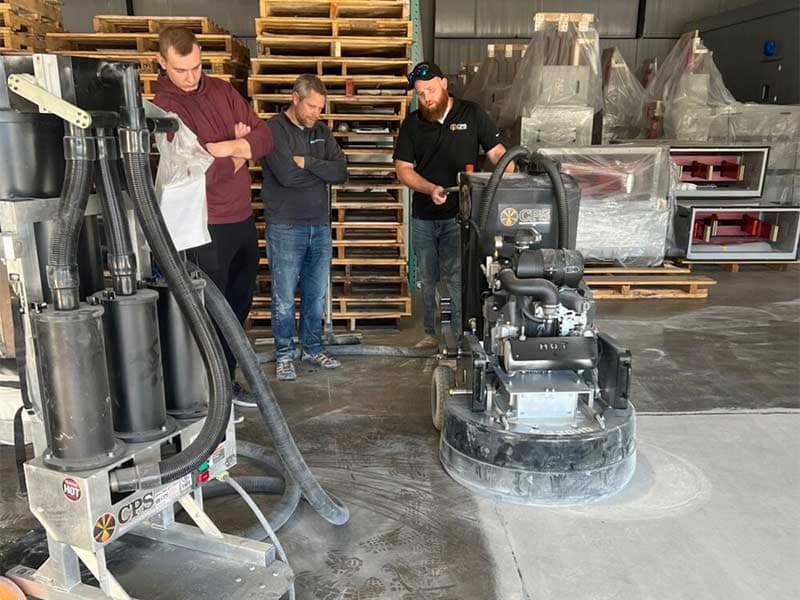
WHY CONTRACTOR TRAINING AND EXPERIENCE MATTER
Concrete coating installation requires more than purchasing high-quality materials.
Contractors also need practical knowledge about:
- Surface preparation
- Concrete repair
- Moisture
- Product selection
- Mixing
- Application techniques
- Environmental conditions
- Troubleshooting
Hands-on experience helps contractors understand how different products and systems perform in real-world conditions.
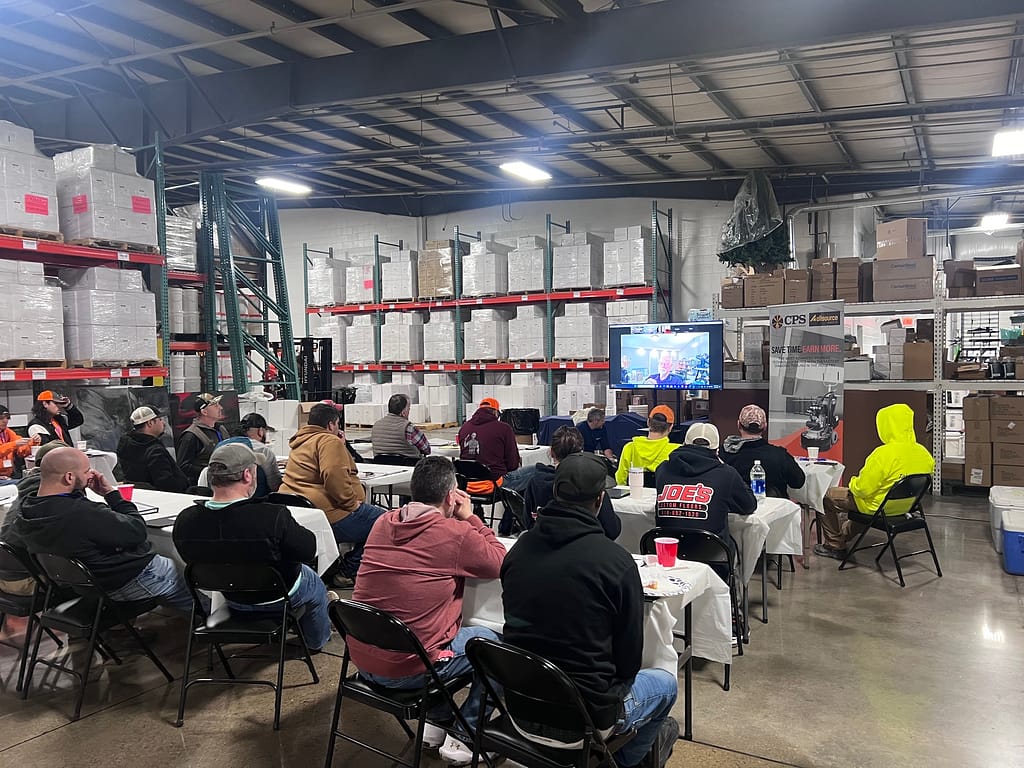
At AllSource Supply Inc., we believe that supporting contractors with products should also include education, training, and practical guidance.
The goal is not simply to help contractors complete one project.
It is to help them build the knowledge needed to deliver better results across future projects.
HOW TO CHOOSE THE RIGHT CONCRETE FLOOR COATING FOR YOUR WISCONSIN PROJECT
The right process is straightforward:
STEP 1: EVALUATE THE CONCRETE
Inspect the slab and identify cracks, contamination, existing coatings, and potential moisture concerns.
STEP 2: UNDERSTAND THE ENVIRONMENT
Consider temperature, humidity, UV exposure, and seasonal conditions.
STEP 3: UNDERSTAND HOW THE FLOOR WILL BE USED
Evaluate traffic, vehicles, equipment, chemicals, and expected wear.
STEP 4: SELECT THE COMPLETE SYSTEM
Choose products that work together and match the requirements of the project.
STEP 5: FOLLOW PRODUCT REQUIREMENTS
Review the manufacturer’s current technical documentation and installation recommendations.
BUILD BETTER CONCRETE FLOORING SYSTEMS IN WISCONSIN
Wisconsin’s changing climate makes planning especially important for concrete coating contractors.
The best flooring projects begin with understanding the entire environment.
Start with the concrete. Evaluate moisture. Consider temperature and seasonal conditions. Understand how the floor will be used. Then select a complete flooring system designed around those requirements.
At AllSource Supply Inc., we support concrete coating professionals with professional-grade products, equipment, training, and practical guidance.
Whether you’re working on a residential garage, commercial showroom, warehouse, automotive facility, or another concrete flooring project, choosing the right system can make a significant difference in the long-term performance of the floor.
READY TO CHOOSE THE RIGHT CONCRETE FLOOR COATING?
Need help selecting products and equipment for your next Wisconsin concrete flooring project?
Contact AllSource Supply Inc. at 833-663-4255 to discuss concrete coatings, flooring systems, equipment, and contractor training.